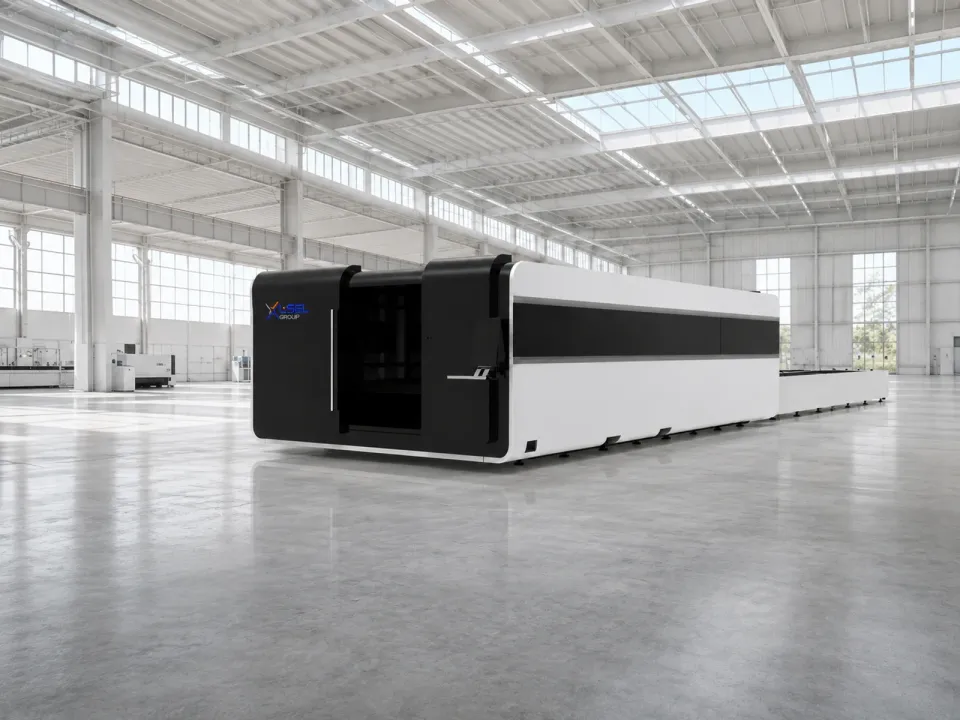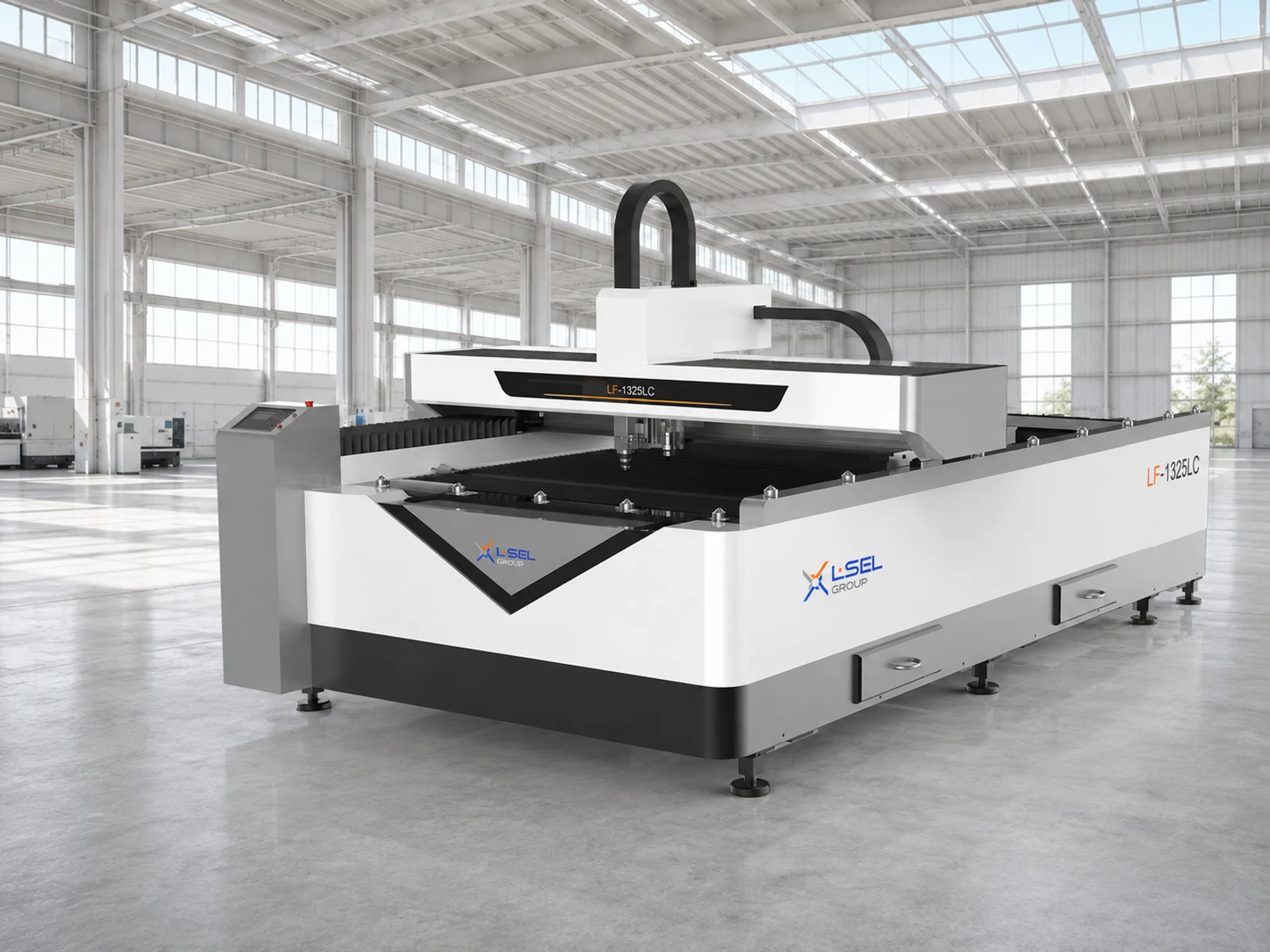
Metal and non-metal laser LF1325LC

Working area, mm
2500 × 1300
Fiber source, kW
0.5
CO₂ source, kW
0.15

An open 2500 × 1300 mm platform with two different sources: 500 W fiber and 150 W CO₂. For workshops processing thin metal alongside non-metal materials suitable for laser cutting.

Two laser technologies share one working area. Fiber and CO₂ sources serve different purposes: their powers are neither additive nor directly comparable. The open layout provides access to the workpiece, while ball-screw transmission and guides control gantry movement.

Purpose and distinguishing features

Suitable applications

Sign structures, decorative parts, models and mixed-material products. The process is selected separately for metal, acrylic, wood or wood-based sheet products. The accepted material list and extraction requirements must be agreed before commissioning; unknown plastics must not be cut without checking their composition.
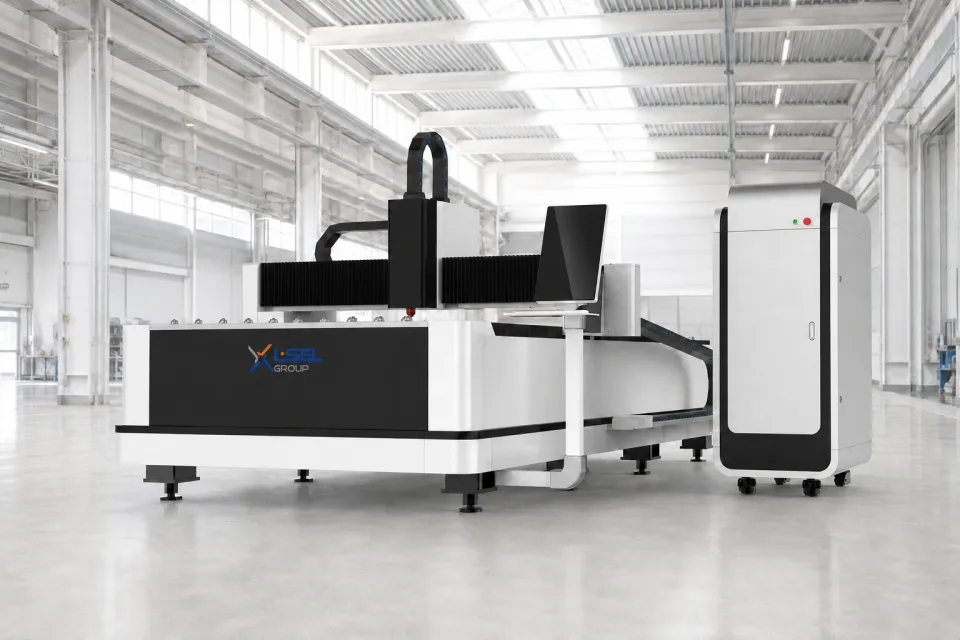
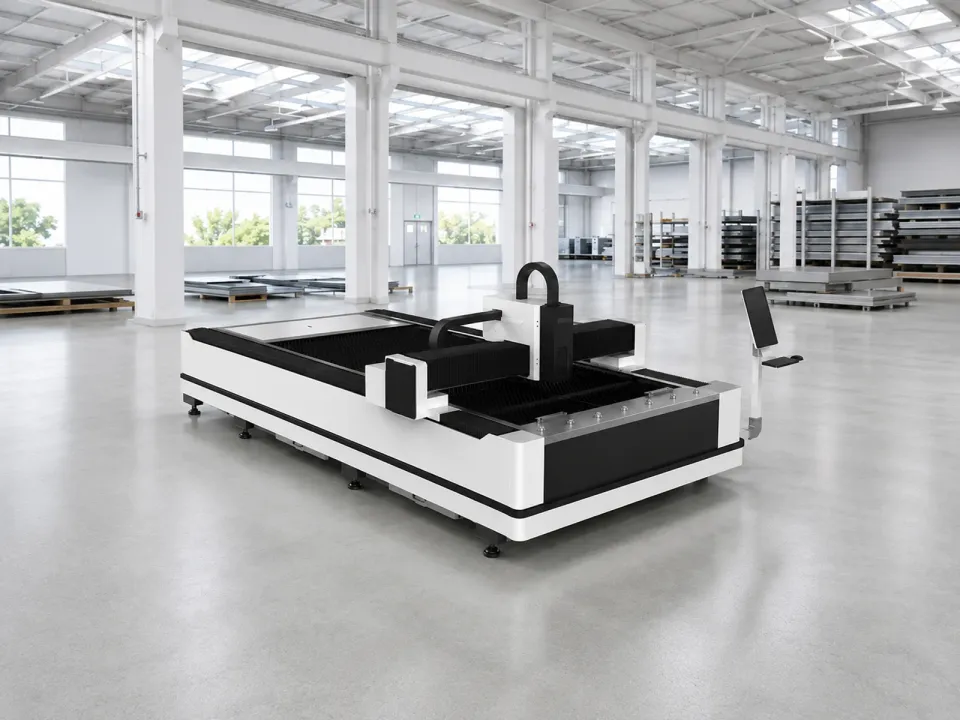
Metal and non-metal laser LF1325LC

LF1325LC uses different sources for metal and suitable non-metals. It is not one universal beam for any raw material: each needs its own process, extraction and suitability review. Establish the composition of plastics and coatings before trial cutting.

Technical specifications

Metal and non-metal laser LF1325LC
ModelWorking area, mmFiber source, kWCO₂ source, kW
LF1325LC2500 × 13000.50.15
Metal and non-metal laser LF1325LC
Positioning accuracy, mm±0.02
Maximum travel speed, m/min30

Choosing a configuration

Consider this series for material versatility rather than high-power metal production. For regular thick-metal work, compare it with a dedicated fiber machine. Positioning accuracy does not automatically establish contour accuracy in every material.

Send material compositions, thicknesses, drawings and order volumes. We agree sources, optics, process gas or air, cooling, extraction and protection of the open working area. Maximum thickness is established by material and a cutting trial, not one universal number.

Discuss configuration

Send a drawing or photograph of the part, material, thickness, blank size and required output. This lets us compare configurations against your job, not just their power rating.

Tell us what you would like to clarify. Add drawings, photos or the required configuration reference to your request if available.

Discuss configuration