


Equipment for your production

We select machines and technology solutionsfor real production tasks.

From a single machine to completeproduction-area equipment.

SelectionCommissioningService
Equipment categories

Equipment for your production tasks

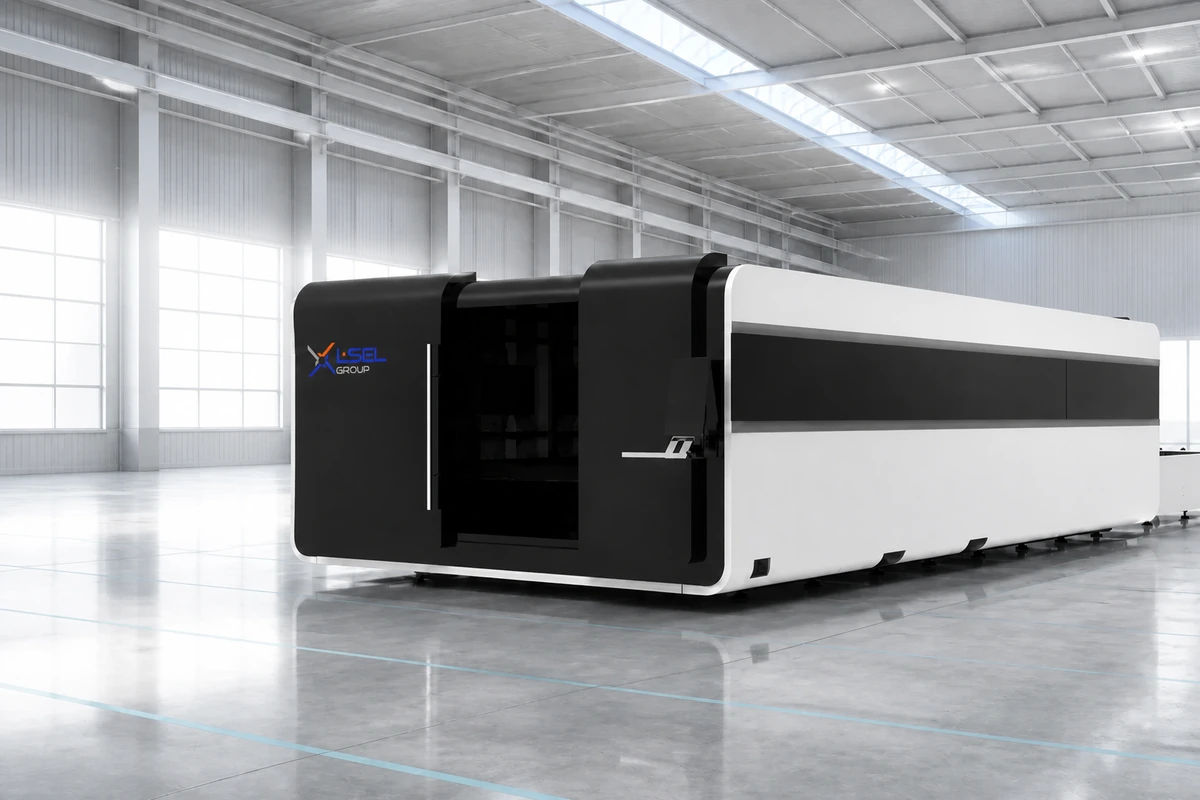
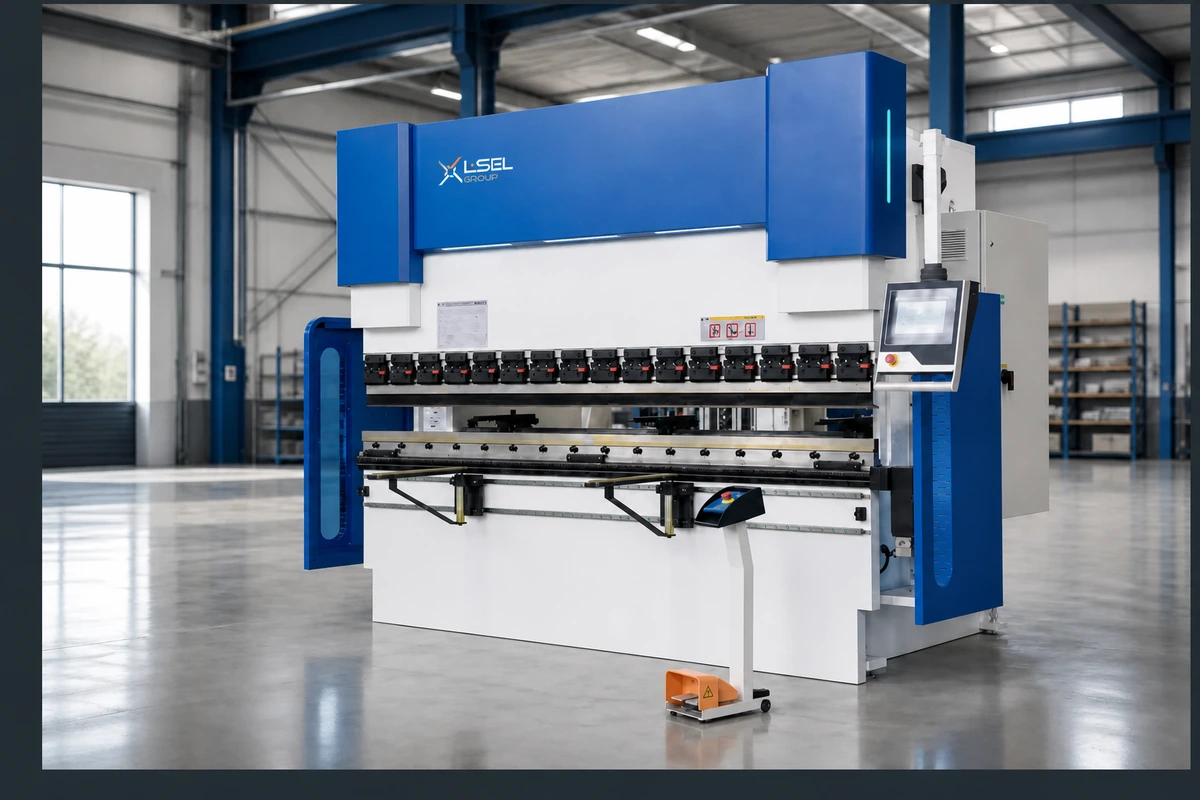
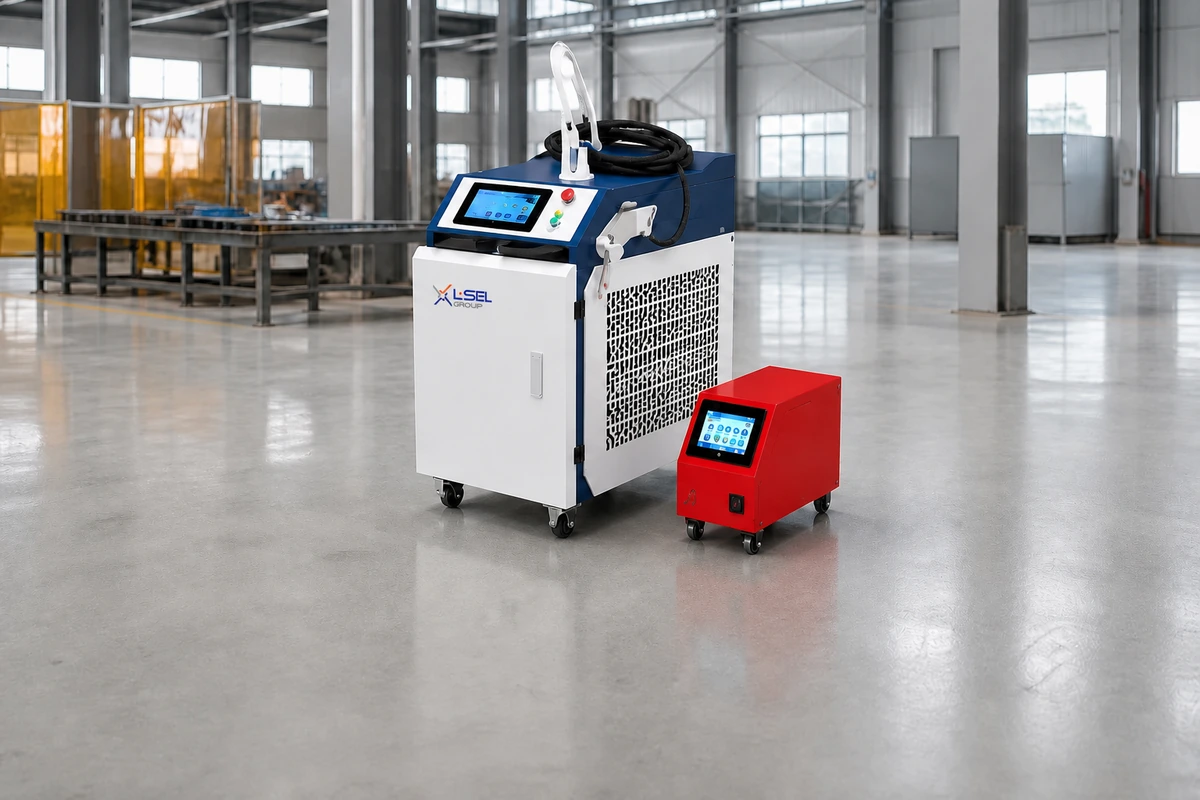
Sheet and tube cutting, bending, laser welding and robotics.

L-SEL Group capabilities

From equipment to production support

Equipment, parts, service, metalworking, company experience and useful articles across six connected directions.

Equipment selection

What we need to select your equipment

Answers to these questions help remove unnecessary options and avoid underestimating future bottlenecks.

01
Material and thickness

Define technology, power, gas and achievable pace.

02
Stock dimensions

Affect the working area, loading arrangement and floor space.

03
Product range

Shows whether flexibility or a specialised high-output line is needed.

04
Planned load

Allows stable rather than peak productivity to be calculated.

05
Infrastructure

Electricity, gases, foundation, climate and workshop logistics.

06
Service scope

Commissioning, training, consumables and critical spare parts.
An agreed configuration for your production task

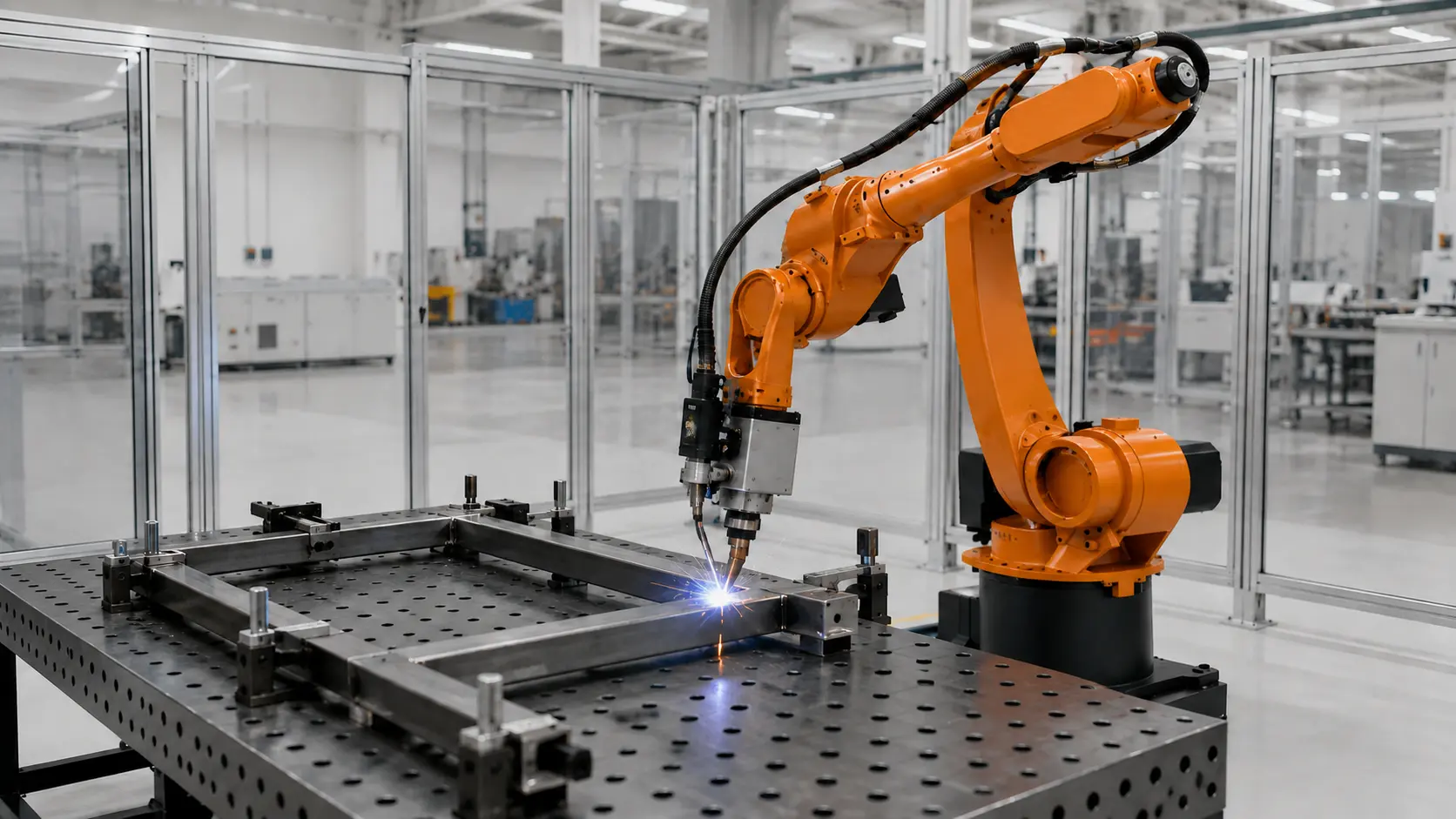
We define the process, power, equipment package, automation and site-preparation requirements. Material, thickness, workpiece format, required throughput and future expansion of the production area define the right solution more precisely than a catalogue model name.

Equipment type · power · package · site preparation

Configure the solution
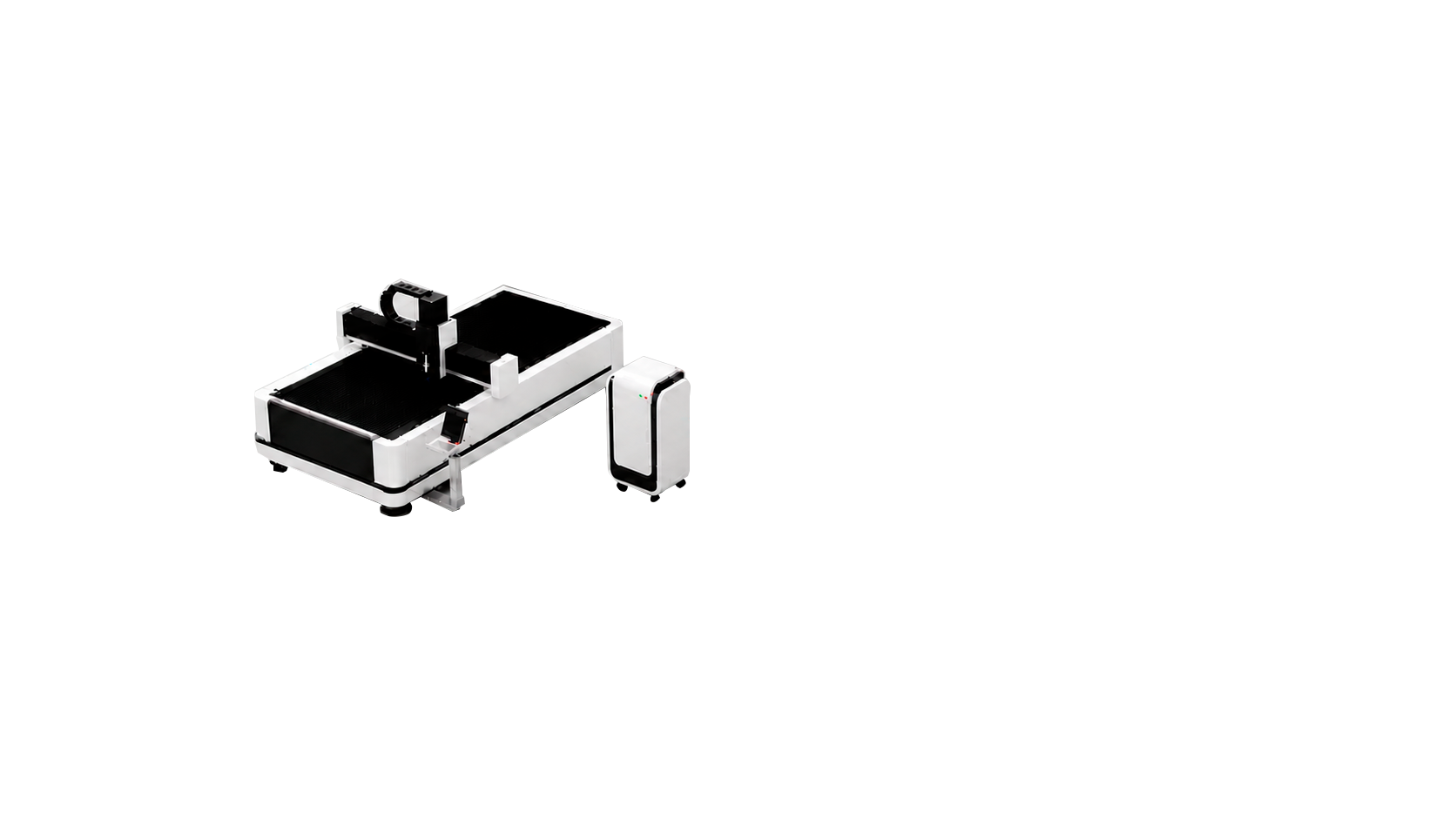
How to Choose a Fiber Laser Cutting Machine for Metal

How to Choose a Fiber Laser Cutting Machine for Metal

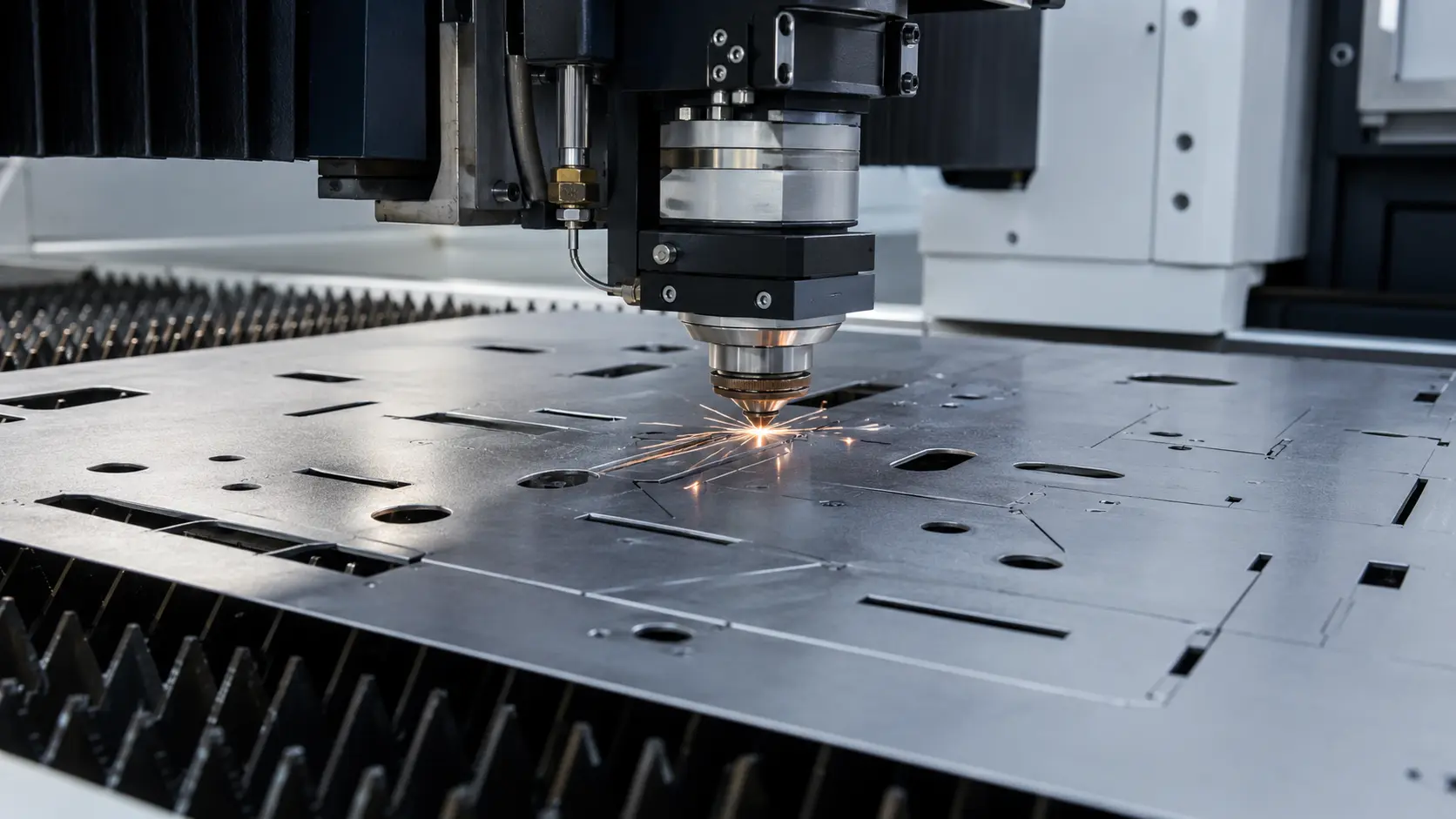
When a company chooses a fiber laser cutting machine for the first time, the discussion quickly narrows to power: 3, 6, 12, 20 kW, and more. That is understandable — the number is easy to compare, stands out in a quotation, and looks like a direct measure of the machine's capability. In real production, however, laser power is only one part of the system.

Learn more
Metalworking equipment

Technology built around your result

We select more than a model: we configure the solution for the part, material, batch profile and required production pace.

Delivery is only the middle of the project

The result comes from installation, setup, training and stable operation in your workshop.

What we need to select your equipment

Answers to these questions help remove unnecessary options and avoid underestimating future bottlenecks.

01
Material and thickness

Define technology, power, gas and achievable pace.

02
Stock dimensions

Affect the working area, loading arrangement and floor space.

03
Product range

Shows whether flexibility or a specialised high-output line is needed.

04
Planned load

Allows stable rather than peak productivity to be calculated.

05
Infrastructure

Electricity, gases, foundation, climate and workshop logistics.

06
Service scope

Commissioning, training, consumables and critical spare parts.
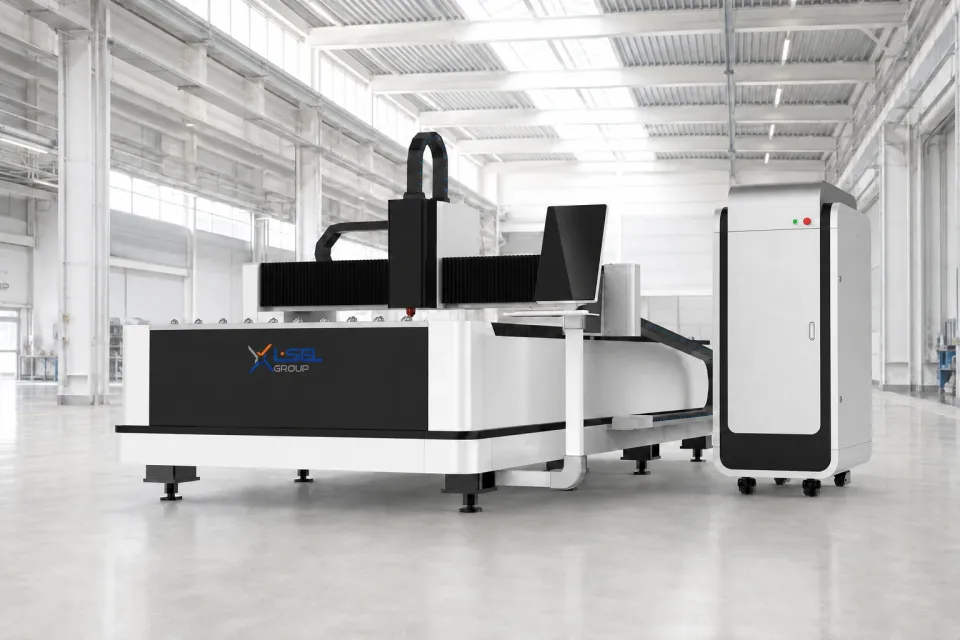
An agreed configuration for your production task

We define the process, power, equipment package, automation and site-preparation requirements. Material, thickness, workpiece format, required throughput and future expansion of the production area define the right solution more precisely than a catalogue model name.

Equipment type · power · package · site preparation

Configure the solution
How to Choose a Fiber Laser Cutting Machine for Metal

How to Choose a Fiber Laser Cutting Machine for Metal

When a company chooses a fiber laser cutting machine for the first time, the discussion quickly narrows to power: 3, 6, 12, 20 kW, and more. That is understandable — the number is easy to compare, stands out in a quotation, and looks like a direct measure of the machine's capability. In real production, however, laser power is only one part of the system.

Learn more
Metalworking equipment

Technology built around your result

We select more than a model: we configure the solution for the part, material, batch profile and required production pace.

Delivery is only the middle of the project

The result comes from installation, setup, training and stable operation in your workshop.

What we need to select your equipment

Answers to these questions help remove unnecessary options and avoid underestimating future bottlenecks.

01
Material and thickness

Define technology, power, gas and achievable pace.

02
Stock dimensions

Affect the working area, loading arrangement and floor space.

03
Product range

Shows whether flexibility or a specialised high-output line is needed.

04
Planned load

Allows stable rather than peak productivity to be calculated.

05
Infrastructure

Electricity, gases, foundation, climate and workshop logistics.

06
Service scope

Commissioning, training, consumables and critical spare parts.

An agreed configuration for your production task

We define the process, power, equipment package, automation and site-preparation requirements. Material, thickness, workpiece format, required throughput and future expansion of the production area define the right solution more precisely than a catalogue model name.

Equipment type · power · package · site preparation

Configure the solution
How to Choose a Fiber Laser Cutting Machine for Metal

How to Choose a Fiber Laser Cutting Machine for Metal

When a company chooses a fiber laser cutting machine for the first time, the discussion quickly narrows to power: 3, 6, 12, 20 kW, and more. That is understandable — the number is easy to compare, stands out in a quotation, and looks like a direct measure of the machine's capability. In real production, however, laser power is only one part of the system.

Learn more
Metalworking equipment

Technology built around your result

We select more than a model: we configure the solution for the part, material, batch profile and required production pace.

Delivery is only the middle of the project

The result comes from installation, setup, training and stable operation in your workshop.
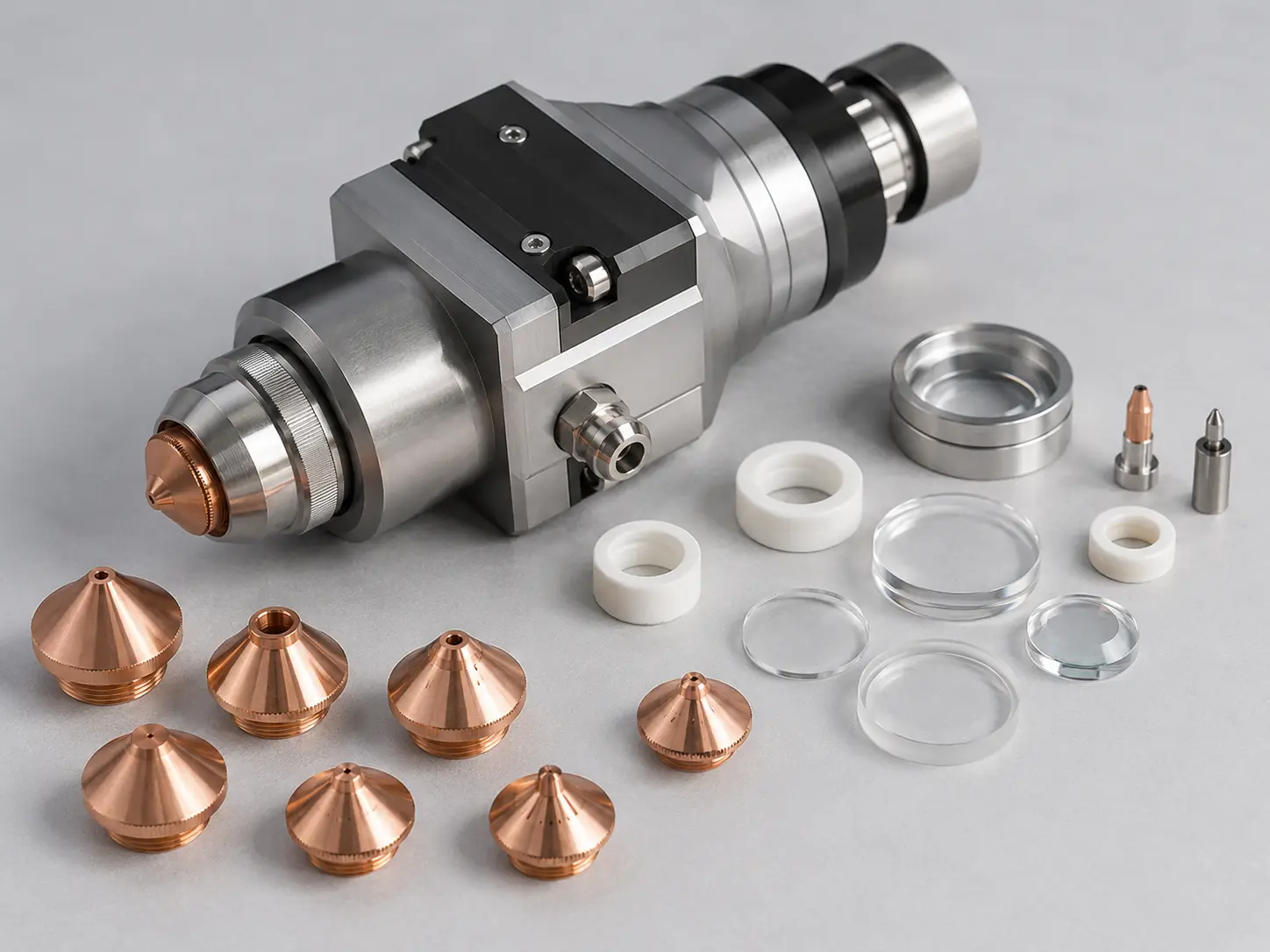
Parts and consumables

What to send to avoid a mistake

Items that look the same may differ by thread, height, diameter, coating or revision.

01
Marking

Part number and inscriptions on the part or packaging.

02
Photo

Overall view, connectors, mounting points and dimensions.

03
Equipment

Machine, head and source model plus year of manufacture.

04
Quantity

One-off replacement or planned demand.

Availability and compatibility are checked before we prepare the offer

If no part number is available, provide the machine and assembly model. We will clarify technical identifiers and check available supply options.

From request to installation-ready supply

A model, marking or photo is enough to start. If data is missing, we help collect it before ordering.

We hold some common items in stock. Other parts are supplied to order after compatibility is checked.

Find a part
How to Choose Protective Glass for a Cutting Head and Avoid Compatibility Mistakes

How to Choose Protective Glass for a Cutting Head and Avoid Compatibility Mistakes

Two round protective windows with the same diameter are lying on the table. Both physically fit into the cartridge. To a mechanic, that can easily look like proof of compatibility.

Learn more
Parts you can rely on

Find the right part quickly and precisely

We verify compatibility before supply so the part matches the exact equipment model and assembly.

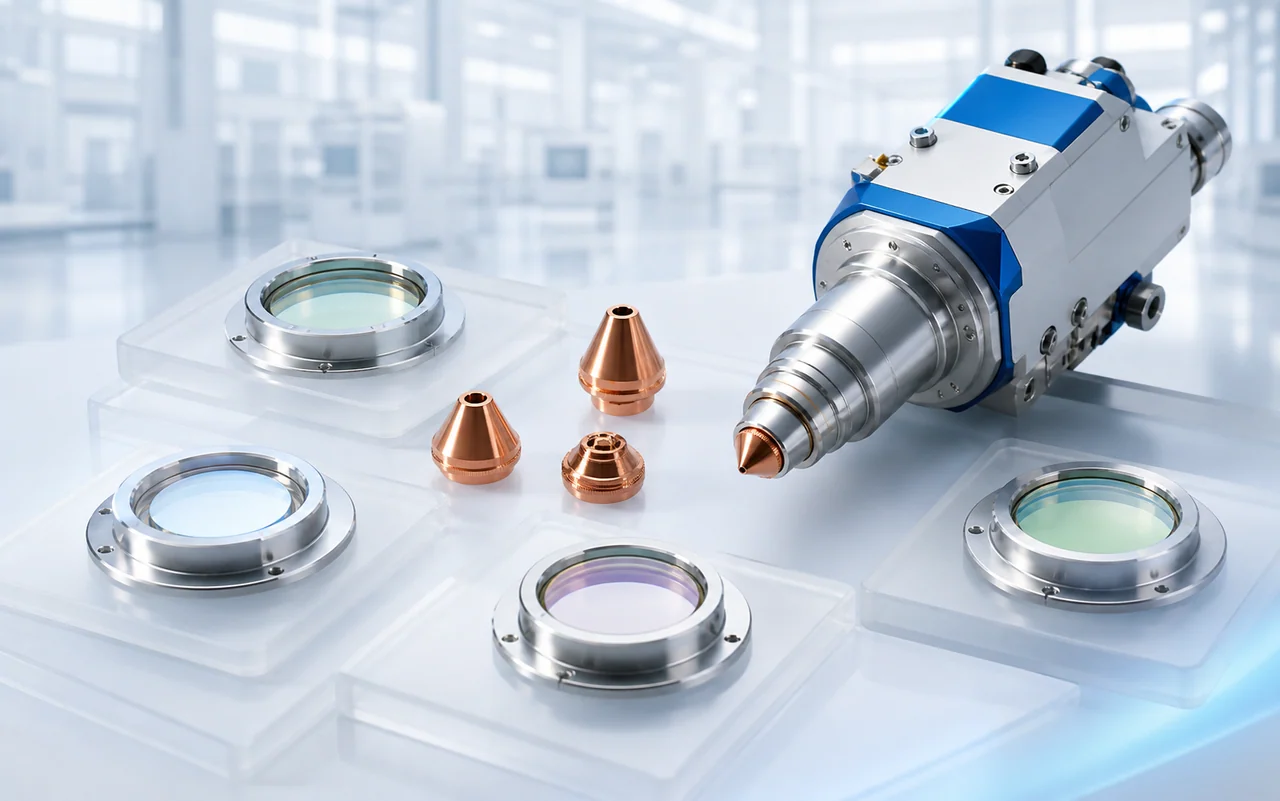
Optics and protective glass

We match consumable optics to the exact laser head.

Nozzles and ceramics

We assemble fast-moving items for stable day-to-day operation.

Laser heads and assemblies

We supply critical components after checking the exact design.

Compatibility check

We confirm the match before preparing the offer.

Service and repair

Support throughout the lifecycle

Service support should be planned before equipment commissioning

Commissioning, scheduled maintenance, diagnostics and supply of required parts work better as one system rather than separate urgent requests.

  1. 01Commissioning

    Checks, setup and training.

  2. 02Scheduled maintenance

    Condition monitoring and prevention.

  3. 03Diagnostics and repair

    Root-cause search and an agreed solution.

Service does not end when the seller’s warranty ends

Companies contact us after importing equipment directly from China, changing suppliers or losing technical support. We assess possible work from the model, documentation and fault type.

How to start

First the data, then the solution

The more accurate the input, the faster an engineer can distinguish a setup issue from an assembly fault.

  1. 01
    Request

    Model, number, error, photo or video.

  2. 02
    Initial assessment

    We clarify symptoms and whether remote checking is possible.

  3. 03
    Agreement

    We define the required work, visit and parts.

  4. 04
    Work

    Diagnostics, repair, setup and a control test.

Get a service consultation
What Can Be Checked Remotely and When a Service Engineer Must Visit

What Can Be Checked Remotely and When a Service Engineer Must Visit

Remote support can normally prepare the service request, confirm the model and configuration, capture the exact message, connect the event to a program and material, review service history, assess visible external condition from photographs, and prepare a possible spare-part enquiry. Any conclusion remains preliminary when it has not been confirmed by measurement or controlled reproduction of the symptom.

Learn more
Support that keeps production moving

Service through a machine’s lifecycle

For new, warranty-covered or long-running machines, we start with facts and technical condition, not purchase history.

Laser machines

Sheet and tube equipment, optics, mechanics, CNC and auxiliary systems.

Press brakes

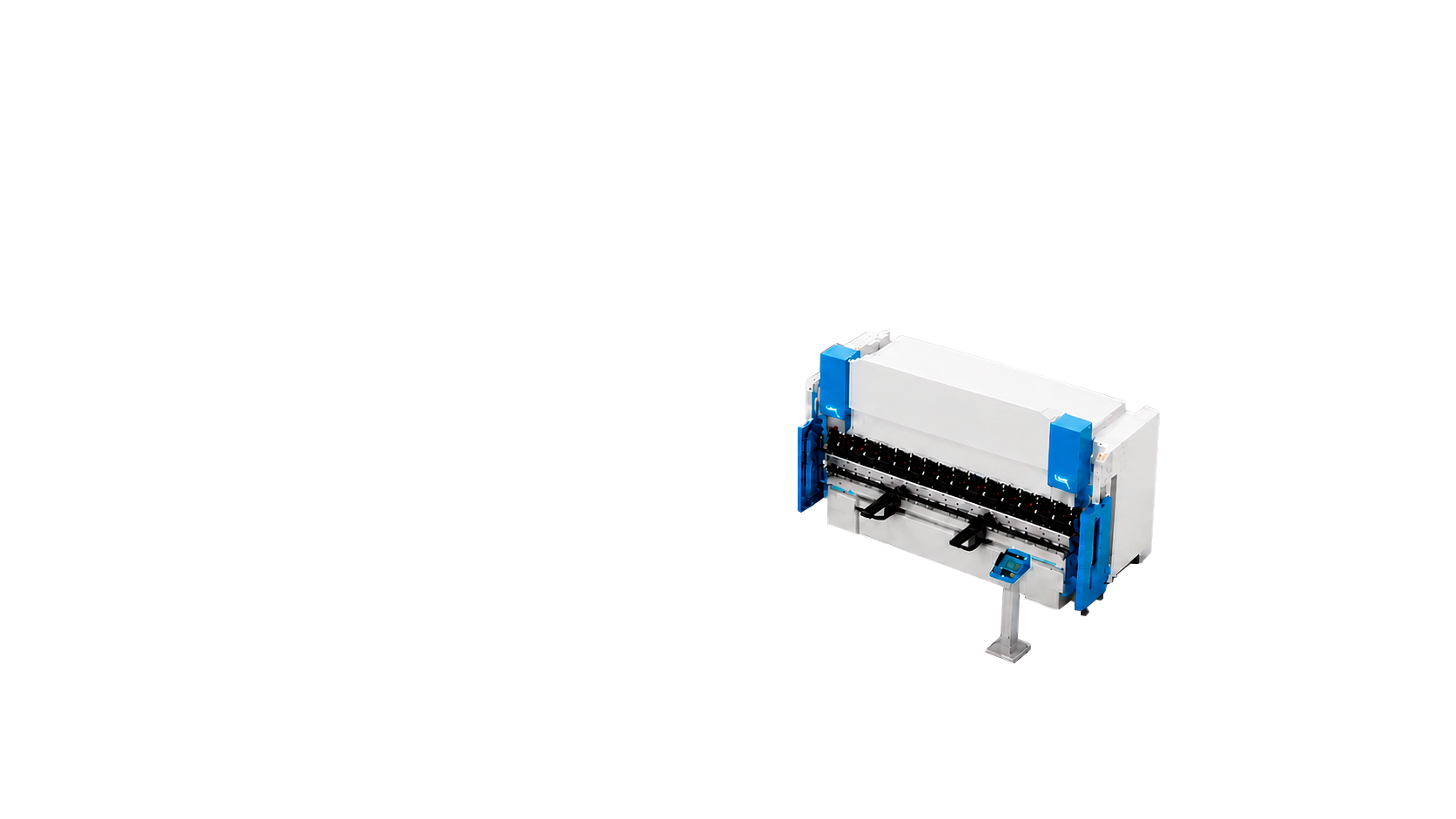
Checks of settings, mechanics, hydraulics and control systems.

Remote support

Initial parameter checks and engineer consultation when an on-site visit is unnecessary.

Support throughout the lifecycle

Service support should be planned before equipment commissioning

Commissioning, scheduled maintenance, diagnostics and supply of required parts work better as one system rather than separate urgent requests.

  1. 01Commissioning

    Checks, setup and training.

  2. 02Scheduled maintenance

    Condition monitoring and prevention.

  3. 03Diagnostics and repair

    Root-cause search and an agreed solution.

How to start

First the data, then the solution

The more accurate the input, the faster an engineer can distinguish a setup issue from an assembly fault.

  1. 01
    Request

    Model, number, error, photo or video.

  2. 02
    Initial assessment

    We clarify symptoms and whether remote checking is possible.

  3. 03
    Agreement

    We define the required work, visit and parts.

  4. 04
    Work

    Diagnostics, repair, setup and a control test.

Get a service consultation
Support that keeps production moving
Laser machines

Sheet and tube equipment, optics, mechanics, CNC and auxiliary systems.

Press brakes

Checks of settings, mechanics, hydraulics and control systems.

What Can Be Checked Remotely and When a Service Engineer Must Visit

What Can Be Checked Remotely and When a Service Engineer Must Visit

Remote support can normally prepare the service request, confirm the model and configuration, capture the exact message, connect the event to a program and material, review service history, assess visible external condition from photographs, and prepare a possible spare-part enquiry. Any conclusion remains preliminary when it has not been confirmed by measurement or controlled reproduction of the symptom.

Learn more
Support that keeps production moving

Service through a machine’s lifecycle

For new, warranty-covered or long-running machines, we start with facts and technical condition, not purchase history.

Remote support

Initial parameter checks and engineer consultation when an on-site visit is unnecessary.

Service does not end when the seller’s warranty ends

Companies contact us after importing equipment directly from China, changing suppliers or losing technical support. We assess possible work from the model, documentation and fault type.

Support throughout the lifecycle

Service support should be planned before equipment commissioning

Commissioning, scheduled maintenance, diagnostics and supply of required parts work better as one system rather than separate urgent requests.

  1. 01Commissioning

    Checks, setup and training.

  2. 02Scheduled maintenance

    Condition monitoring and prevention.

  3. 03Diagnostics and repair

    Root-cause search and an agreed solution.

Service does not end when the seller’s warranty ends

Companies contact us after importing equipment directly from China, changing suppliers or losing technical support. We assess possible work from the model, documentation and fault type.

How to start

First the data, then the solution

The more accurate the input, the faster an engineer can distinguish a setup issue from an assembly fault.

  1. 01
    Request

    Model, number, error, photo or video.

  2. 02
    Initial assessment

    We clarify symptoms and whether remote checking is possible.

  3. 03
    Agreement

    We define the required work, visit and parts.

  4. 04
    Work

    Diagnostics, repair, setup and a control test.

Get a service consultation
What Can Be Checked Remotely and When a Service Engineer Must Visit

What Can Be Checked Remotely and When a Service Engineer Must Visit

Remote support can normally prepare the service request, confirm the model and configuration, capture the exact message, connect the event to a program and material, review service history, assess visible external condition from photographs, and prepare a possible spare-part enquiry. Any conclusion remains preliminary when it has not been confirmed by measurement or controlled reproduction of the symptom.

Learn more
Support that keeps production moving

Service through a machine’s lifecycle

For new, warranty-covered or long-running machines, we start with facts and technical condition, not purchase history.

Laser machines

Sheet and tube equipment, optics, mechanics, CNC and auxiliary systems.

Press brakes

Checks of settings, mechanics, hydraulics and control systems.

Remote support

Initial parameter checks and engineer consultation when an on-site visit is unnecessary.

Metalworking services

Cutting, bending and welding in one order

Laser cutting, precise bending and welding in one production chain — from a file to a finished part.

  • Laser cutting

    Sheet metal cutting from a digital file on our own fiber laser machine.

  • Bending

    Part forming on a CNC press brake using an agreed geometry and operation sequence.

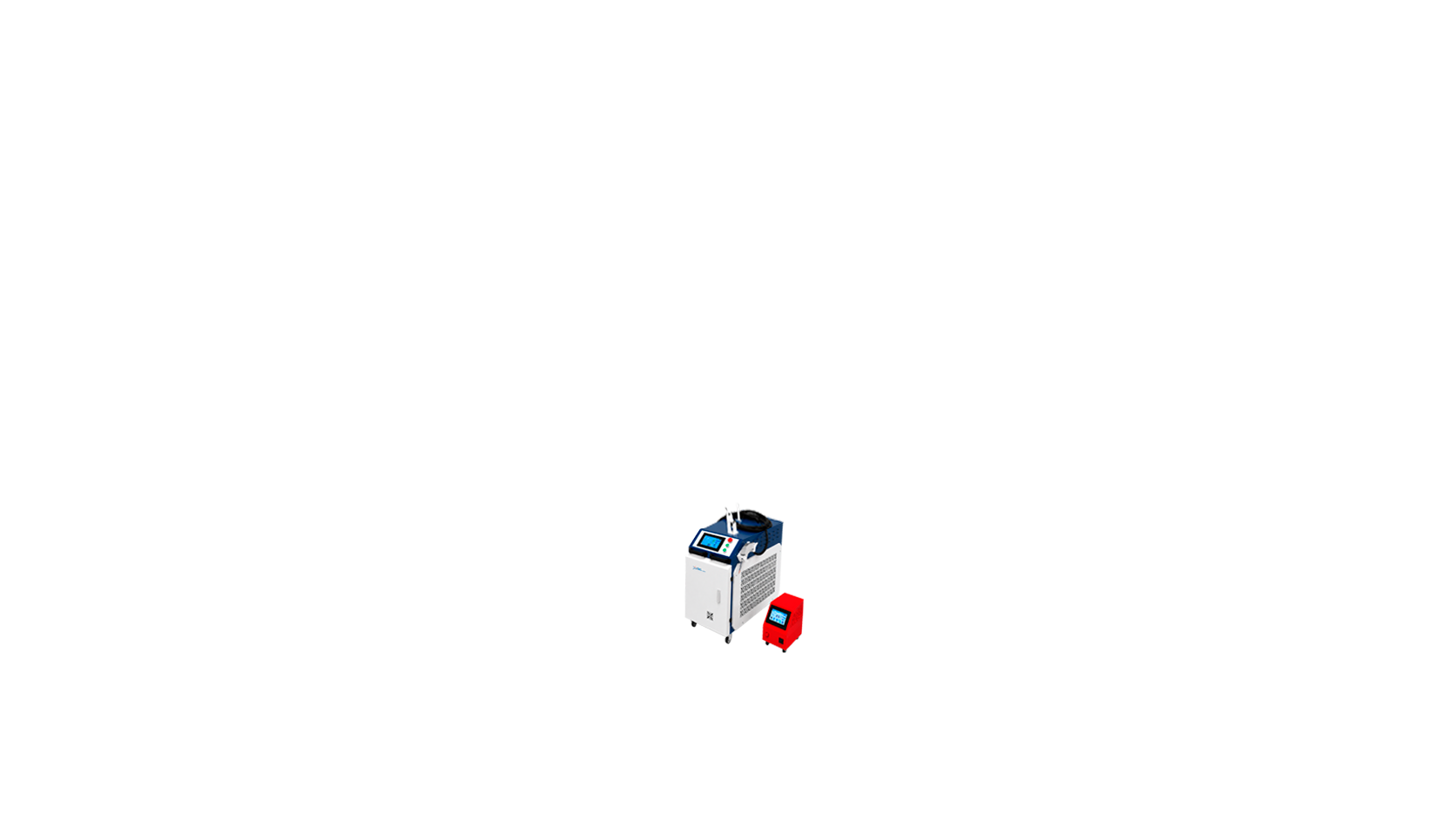
  • Welding

    Part assembly and welding for one-off products and repeat batches.

  • Painting

    Where needed, we arrange painting with specialist contractors as part of the finished product.

From a file to a finished part

Order one operation or submit a product for sequential cutting, bending and welding.

Our own production base

Laser cutting, bending and welding are handled in our own production.

We sell the equipment we use ourselves

Hands-on production experience helps us assess file preparation, operation sequence and real process constraints.

Several operations in one order

We combine cutting, bending, welding and, when required, painting.

Calculate an order
What drawings and data are needed to quote sheet-metal bending?

What drawings and data are needed to quote sheet-metal bending?

Bending is not merely changing a flat sheet into a part with angles. A press brake forms the part with an upper tool and a lower die; backgauges help position the blank. This is the general process described by TRUMPF in its press-brake materials. For a quotation, it is necessary to understand how the part will sit in this process and how many times it will need to be reoriented.

Learn more
Production result

Agreeing what the finished part should be

Before work begins, we check the file, material, geometry and operation sequence so the result is clear and agreed.

One operation or the full route

Cutting alone or a part completed with bending and welding.

Checked before production

We confirm manufacturability, geometry and the operation scope.

One-off part or repeat batch

We define the agreed result and repeatability of the product.

A quotation starts with the source data

DXF, DWG, STEP, PDF or a sketch, plus material, thickness, quantity and the required result.

Cutting, bending and welding in one order

Laser cutting, precise bending and welding in one production chain — from a file to a finished part.

  • Laser cutting

    Sheet metal cutting from a digital file on our own fiber laser machine.

  • Bending

    Part forming on a CNC press brake using an agreed geometry and operation sequence.

  • Welding

    Part assembly and welding for one-off products and repeat batches.

  • Painting

    Where needed, we arrange painting with specialist contractors as part of the finished product.

What drawings and data are needed to quote sheet-metal bending?

What drawings and data are needed to quote sheet-metal bending?

Bending is not merely changing a flat sheet into a part with angles. A press brake forms the part with an upper tool and a lower die; backgauges help position the blank. This is the general process described by TRUMPF in its press-brake materials. For a quotation, it is necessary to understand how the part will sit in this process and how many times it will need to be reoriented.

Learn more
Production result

Agreeing what the finished part should be

Before work begins, we check the file, material, geometry and operation sequence so the result is clear and agreed.

One operation or the full route

Cutting alone or a part completed with bending and welding.

Checked before production

We confirm manufacturability, geometry and the operation scope.

One-off part or repeat batch

We define the agreed result and repeatability of the product.

A quotation starts with the source data

DXF, DWG, STEP, PDF or a sketch, plus material, thickness, quantity and the required result.

From a file to a finished part

Order one operation or submit a product for sequential cutting, bending and welding.

Our own production base

Laser cutting, bending and welding are handled in our own production.

We sell the equipment we use ourselves

Hands-on production experience helps us assess file preparation, operation sequence and real process constraints.

Several operations in one order

We combine cutting, bending, welding and, when required, painting.

Calculate an order

About

Our project does not end when a machine is supplied.

L-SEL Group selects and supplies industrial metalworking equipment, linking the technology choice to the part, material, volume and actual production conditions.

Delivery is only part of the work. We help prepare a project for commissioning, hand equipment over to the team and support it afterwards through service and consumables.

11+years in Ukraine’s market
Own production practice

We work with laser cutting, bending and welding technologies not only as a supplier but in our own production practice.

Training and handover

We help the team master the equipment, settings and production logic after commissioning.

More about the company

Equipment delivery geography

The map shows verified installations by city and oblast. It represents completed projects, not a model catalogue.

What each installation involves

Each marker represents not only delivery but also technology selection, commissioning preparation and ongoing technical support.

One partner through the process

We keep track of the installed equipment and its configuration. This helps us select the right parts and arrange service.

Support throughout operation

Our service centre provides warranty and post-warranty support for the equipment.

Team training

We help people master not only machine operation but also estimating, nesting and production-process logic.

Cutting, bending and welding — with support after commissioning.

We guide a project consistently: from technology selection through commissioning and ongoing equipment operation.

Selection and configuration

We align the technology, delivery scope and site requirements.

Commissioning and training

We verify connections, configure the equipment and hand it over to the team.

Service and consumables

We remain available with technical support and the required operating items.

Support at every stage

We connect selection, commissioning, service and consumables in one project so the equipment can operate consistently.

Full implementation cycle

From task to launch — and beyond

We select equipment, prepare commissioning and stay available for service and parts.

  1. 01

    Task analysis

    We study the parts, materials, batch profile, pace and site conditions.

  2. 02

    Selection and configuration

    We define the solution, supply scope and commissioning requirements.

  3. 03

    Delivery and launch

    We install, configure, test and train your team.

  4. 04

    Service and parts

    We support stable equipment operation after commissioning.

Create a request

Describe the task — we will route it to the right specialist

Add the material, dimensions, equipment model or a short fault description.

Create request