Engineering service

Equipment commissioning, diagnostics and repair

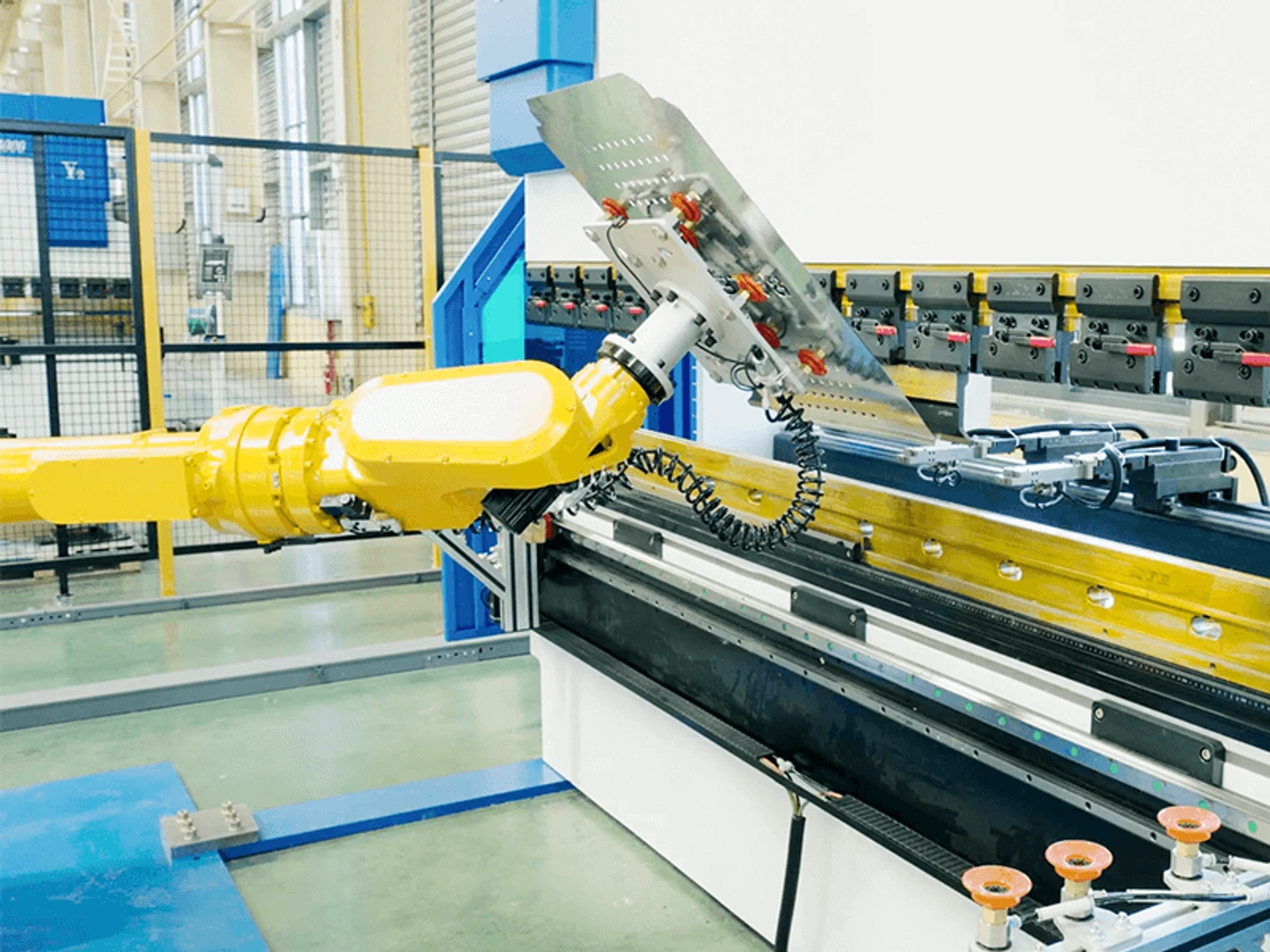
We commission, diagnose and service laser machines, press brakes, welding systems and robots — including equipment independently imported by customers.

  • From commissioning to repair
  • Diagnosis before a decision
  • Support for equipment from other suppliers
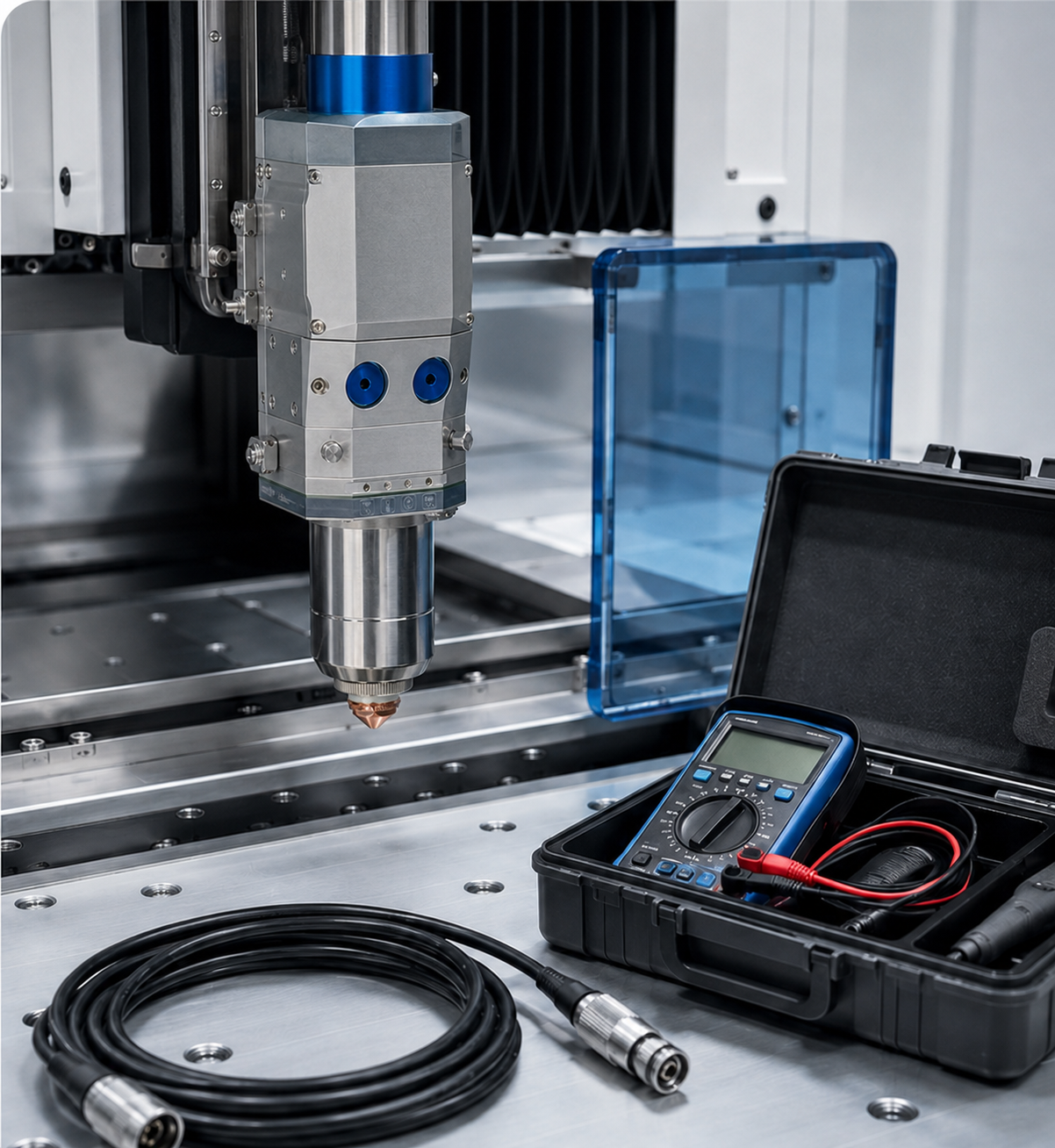
Diagnostic equipment and a laser machine cutting head

Support throughout the equipment lifecycle

Support throughout the lifecycle

Service support should be planned before equipment commissioning

Commissioning, scheduled maintenance, diagnostics and supply of required parts work better as one system rather than separate urgent requests.

  1. 01Commissioning

    Checks, setup and training.

  2. 02Scheduled maintenance

    Condition monitoring and prevention.

  3. 03Diagnostics and repair

    Root-cause search and an agreed solution.

Service does not end when the seller’s warranty ends

Companies contact us after importing equipment directly from China, changing suppliers or losing technical support. We assess possible work from the model, documentation and fault type.

What to prepare for initial diagnostics

Machine model and serial number, error code, photos or video of the symptoms, and a short description of what changed in operation.

Get a service consultation
Support that keeps production moving

Service through a machine’s lifecycle

For new, warranty-covered or long-running machines, we start with facts and technical condition, not purchase history.

Laser machines

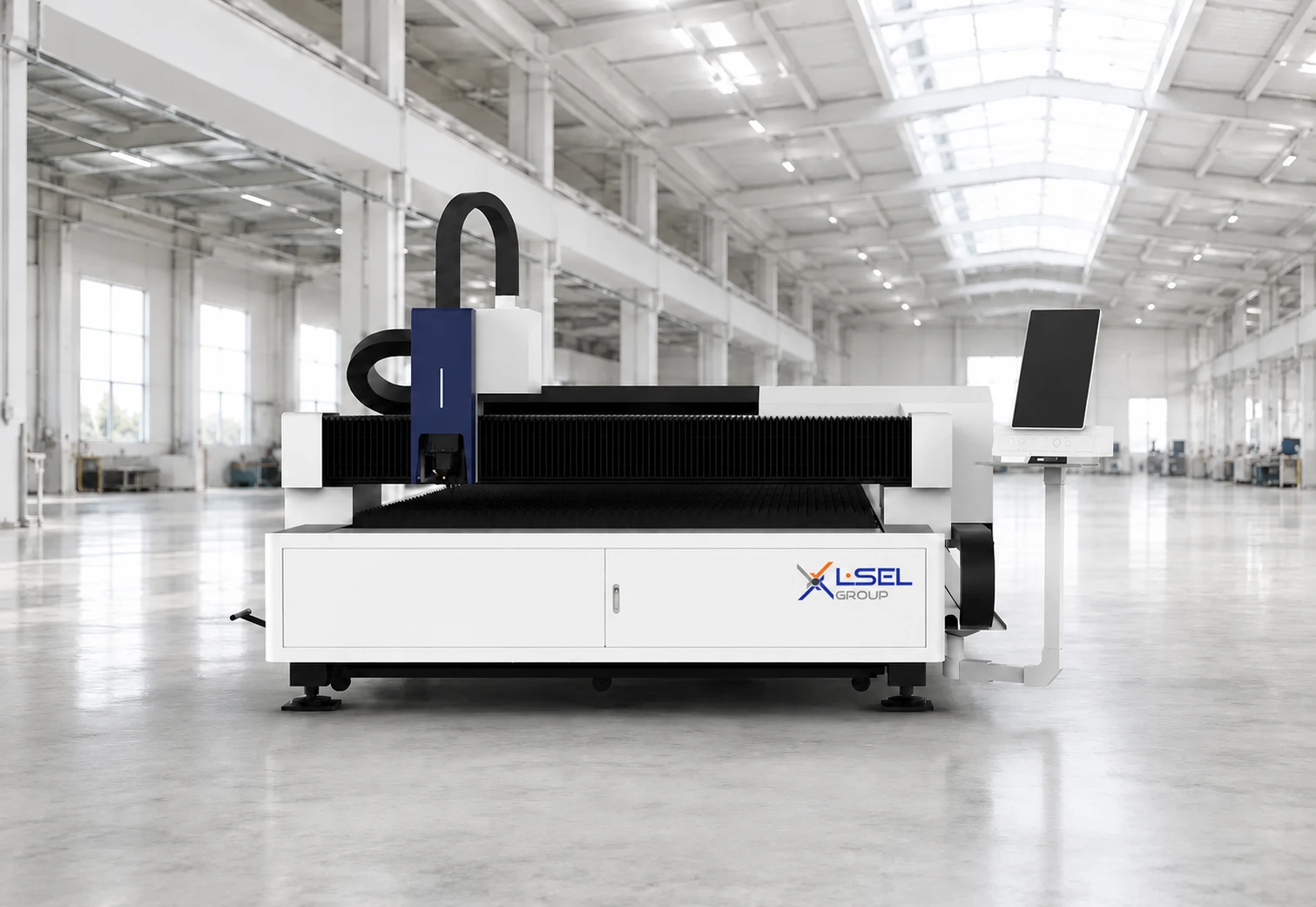
Sheet and tube equipment, optics, mechanics, CNC and auxiliary systems.

Press brakes

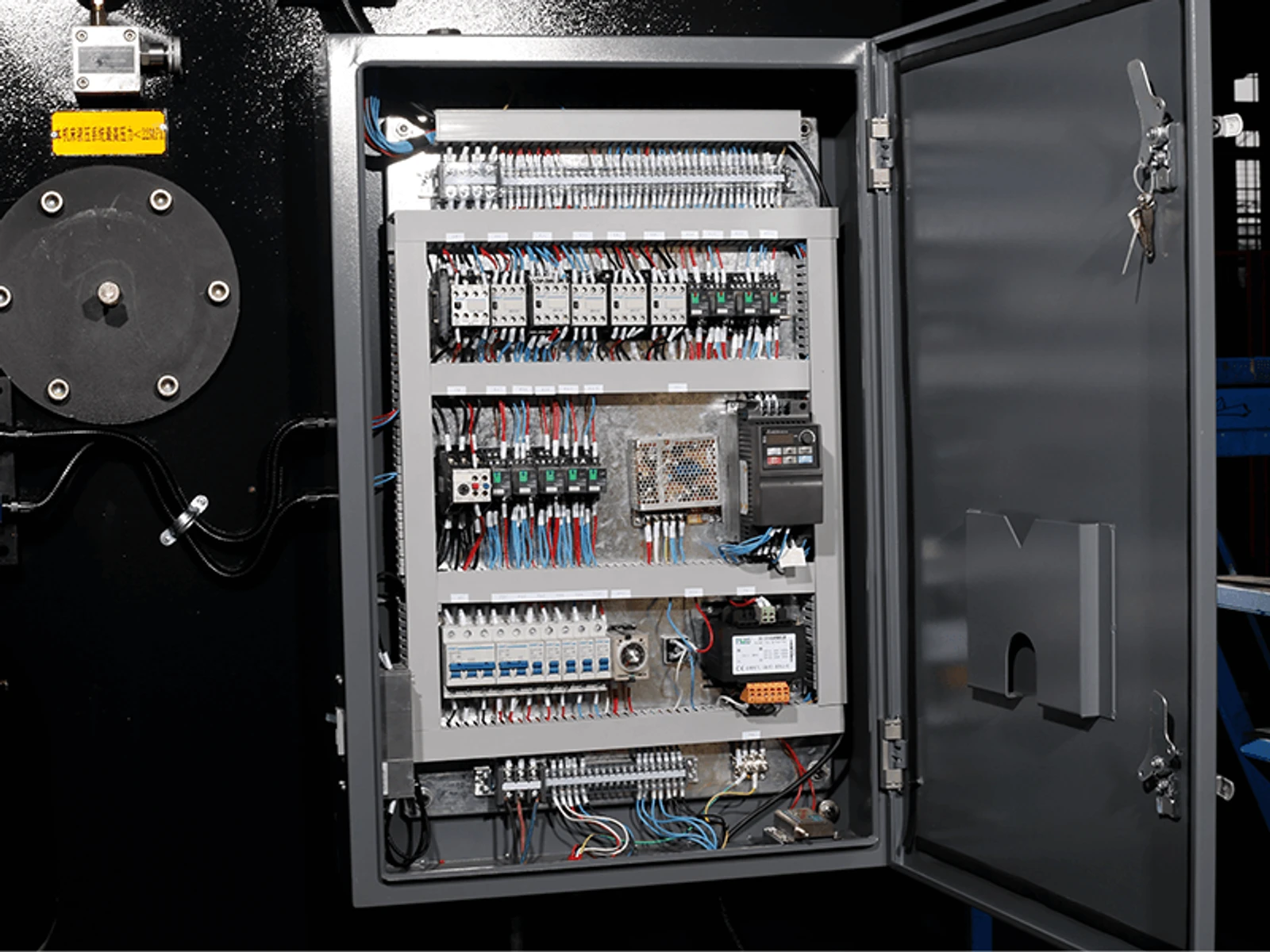
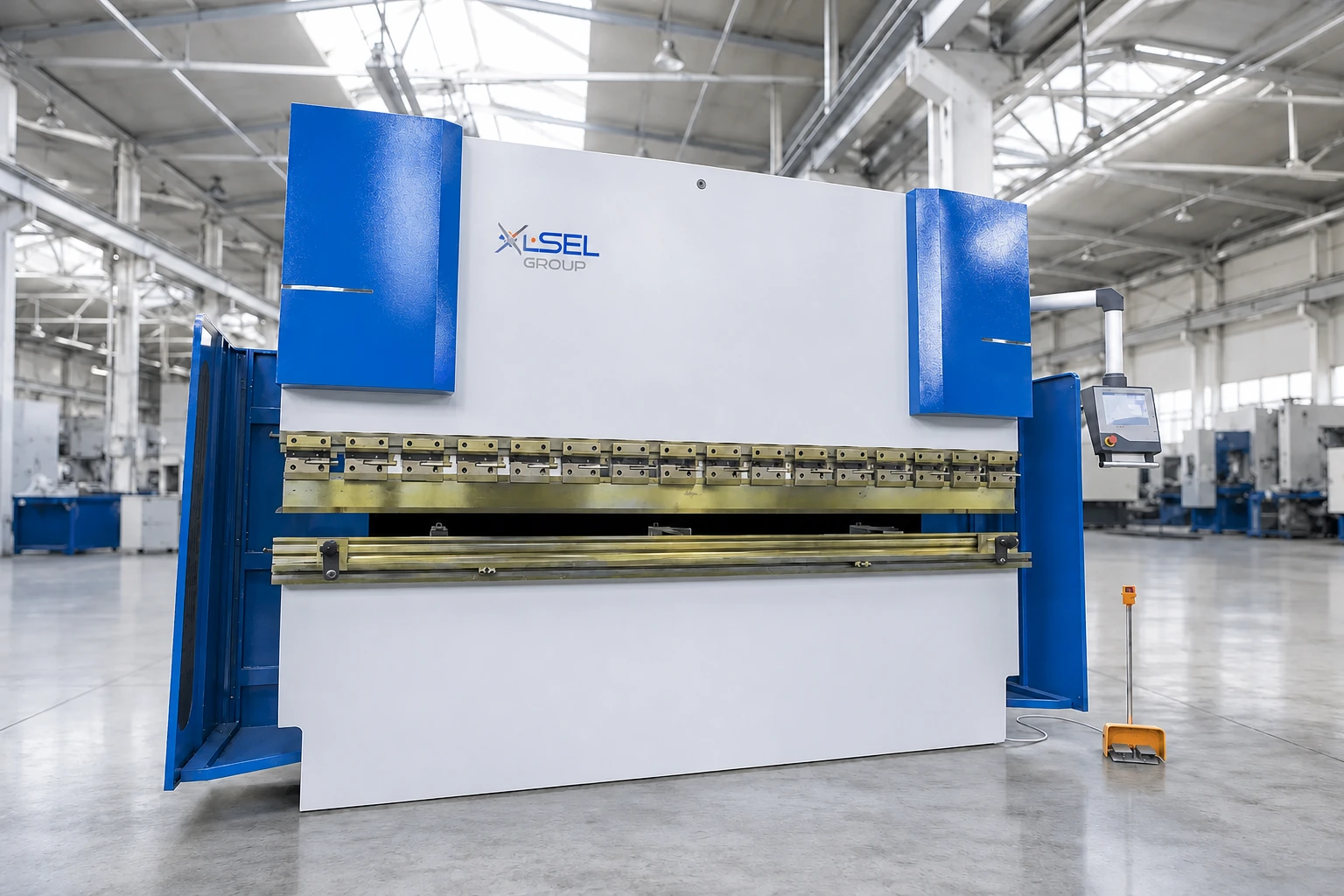
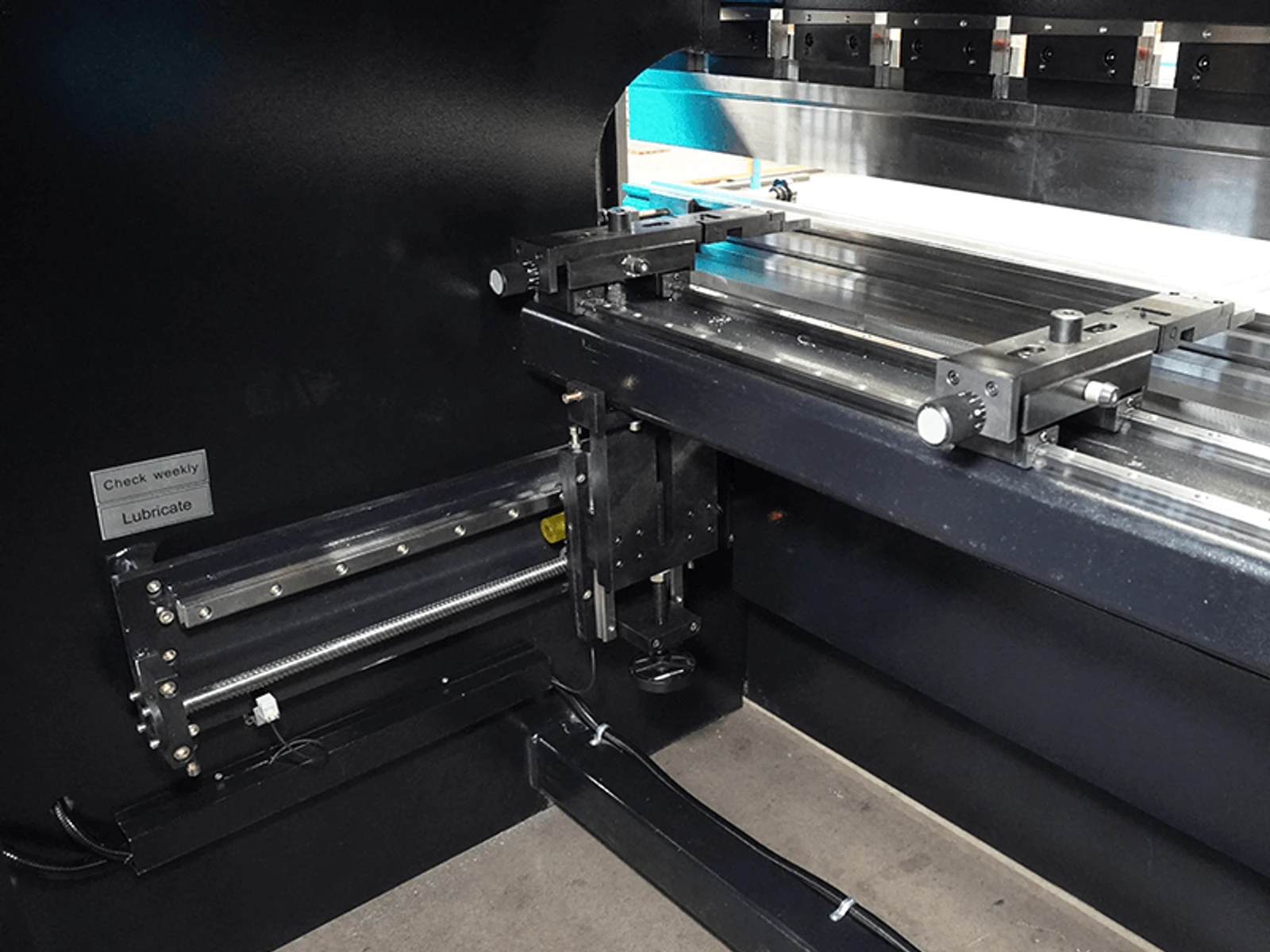
Checks of settings, mechanics, hydraulics and control systems.

Remote support

Initial parameter checks and engineer consultation when an on-site visit is unnecessary.

Support throughout the lifecycle

Service support should be planned before equipment commissioning

Commissioning, scheduled maintenance, diagnostics and supply of required parts work better as one system rather than separate urgent requests.

  1. 01Commissioning

    Checks, setup and training.

  2. 02Scheduled maintenance

    Condition monitoring and prevention.

  3. 03Diagnostics and repair

    Root-cause search and an agreed solution.

Service does not end when the seller’s warranty ends

Companies contact us after importing equipment directly from China, changing suppliers or losing technical support. We assess possible work from the model, documentation and fault type.

Laser machines

Sheet and tube equipment, optics, mechanics, CNC and auxiliary systems.

What to prepare for initial diagnostics

Machine model and serial number, error code, photos or video of the symptoms, and a short description of what changed in operation.

Get a service consultation
Support that keeps production moving

Service through a machine’s lifecycle

For new, warranty-covered or long-running machines, we start with facts and technical condition, not purchase history.

Press brakes

Checks of settings, mechanics, hydraulics and control systems.

Remote support

Initial parameter checks and engineer consultation when an on-site visit is unnecessary.

Support throughout the lifecycle

Service support should be planned before equipment commissioning

Commissioning, scheduled maintenance, diagnostics and supply of required parts work better as one system rather than separate urgent requests.

  1. 01Commissioning

    Checks, setup and training.

  2. 02Scheduled maintenance

    Condition monitoring and prevention.

  3. 03Diagnostics and repair

    Root-cause search and an agreed solution.

Service does not end when the seller’s warranty ends

Companies contact us after importing equipment directly from China, changing suppliers or losing technical support. We assess possible work from the model, documentation and fault type.

What to prepare for initial diagnostics

Machine model and serial number, error code, photos or video of the symptoms, and a short description of what changed in operation.

Get a service consultation
Support that keeps production moving

Service through a machine’s lifecycle

For new, warranty-covered or long-running machines, we start with facts and technical condition, not purchase history.

Laser machines

Sheet and tube equipment, optics, mechanics, CNC and auxiliary systems.

Press brakes

Checks of settings, mechanics, hydraulics and control systems.

Remote support

Initial parameter checks and engineer consultation when an on-site visit is unnecessary.

From symptoms to a solution

Find the cause first. Then repair or replace

An on-screen error or a decline in cut quality does not automatically mean an expensive assembly needs replacing. We start with symptoms, equipment history and checks that help narrow down the cause.

01
Your request

We record the equipment, symptoms and conditions in which the issue occurs.

02
Diagnosis

We clarify the cause and the checks required.

03
Agreement

We discuss the work, components and execution terms.

04
Result check

We check operation after the work and explain the next actions.

From symptoms to a solution

Initial information helps us agree on the next step: remote clarification, assembly diagnostics or on-site work. The work scope and required components are determined after assessing the condition.

Next step

Bought your equipment from another supplier? Contact us with the model and a fault description. We assess support options based on documentation, configuration and access to the necessary assemblies and software tools.

Contact service
Enquiry outcome

An agreed service plan

After the initial review, we determine the next step: further diagnostics, remote assistance or a site visit. We agree the scope, timing and terms before work begins.

Find the cause first. Then repair or replace

An on-screen error or a decline in cut quality does not automatically mean an expensive assembly needs replacing. We start with symptoms, equipment history and checks that help narrow down the cause.

01
Your request

We record the equipment, symptoms and conditions in which the issue occurs.

02
Diagnosis

We clarify the cause and the checks required.

03
Agreement

We discuss the work, components and execution terms.

04
Result check

We check operation after the work and explain the next actions.

From symptoms to a solution

Initial information helps us agree on the next step: remote clarification, assembly diagnostics or on-site work. The work scope and required components are determined after assessing the condition.

Next step

Bought your equipment from another supplier? Contact us with the model and a fault description. We assess support options based on documentation, configuration and access to the necessary assemblies and software tools.

Contact service
Enquiry outcome

An agreed service plan

After the initial review, we determine the next step: further diagnostics, remote assistance or a site visit. We agree the scope, timing and terms before work begins.

Find the cause first. Then repair or replace

An on-screen error or a decline in cut quality does not automatically mean an expensive assembly needs replacing. We start with symptoms, equipment history and checks that help narrow down the cause.

01
Your request

We record the equipment, symptoms and conditions in which the issue occurs.

02
Diagnosis

We clarify the cause and the checks required.

03
Agreement

We discuss the work, components and execution terms.

04
Result check

We check operation after the work and explain the next actions.

From symptoms to a solution

Initial information helps us agree on the next step: remote clarification, assembly diagnostics or on-site work. The work scope and required components are determined after assessing the condition.

Next step

Bought your equipment from another supplier? Contact us with the model and a fault description. We assess support options based on documentation, configuration and access to the necessary assemblies and software tools.

Contact service
Enquiry outcome

An agreed service plan

After the initial review, we determine the next step: further diagnostics, remote assistance or a site visit. We agree the scope, timing and terms before work begins.

Preparation, commissioning and training

Preparation, commissioning and training

We prepare equipment for operation: check connections, commission the machine and train operators. We agree the scope for the specific machine and the conditions at your production site.

Preparation and connection

A reliable launch starts before the equipment arrives. We review installation space, power supply, earthing, cooling, gases and extraction requirements against the machine documentation.

What we confirm before work

We agree on site readiness and the division of work between the customer and service team. This helps identify missing connections before commissioning starts.

What we confirm before work: Equipment commissioning

We discuss test parts, material and acceptance criteria. The team receives basic operating and daily-care guidance so the equipment enters production with a clear sequence of actions.

Equipment commissioning

Installation and switching on are only part of a launch. Assemblies need checking, operating parameters need setting and agreed checks must be completed for the configuration.

Contact service
Preparation, commissioning and training

Operator training

Equipment runs more confidently when operators understand the start-up sequence, operating checks and signs of deviation. Training relates to the specific machine and the team’s tasks.

What we confirm before work

We discuss controls, basic settings, daily care and how to contact service. Training complements the manufacturer’s instructions and mandatory workplace safety procedures; it does not replace them.

Preparation, commissioning and training

We prepare equipment for operation: check connections, commission the machine and train operators. We agree the scope for the specific machine and the conditions at your production site.

Preparation and connection

A reliable launch starts before the equipment arrives. We review installation space, power supply, earthing, cooling, gases and extraction requirements against the machine documentation.

What we confirm before work

We agree on site readiness and the division of work between the customer and service team. This helps identify missing connections before commissioning starts.

What we confirm before work: Equipment commissioning

We discuss test parts, material and acceptance criteria. The team receives basic operating and daily-care guidance so the equipment enters production with a clear sequence of actions.

Equipment commissioning

Installation and switching on are only part of a launch. Assemblies need checking, operating parameters need setting and agreed checks must be completed for the configuration.

Contact service
Preparation, commissioning and training

Operator training

Equipment runs more confidently when operators understand the start-up sequence, operating checks and signs of deviation. Training relates to the specific machine and the team’s tasks.

What we confirm before work

We discuss controls, basic settings, daily care and how to contact service. Training complements the manufacturer’s instructions and mandatory workplace safety procedures; it does not replace them.

Preparation, commissioning and training

We prepare equipment for operation: check connections, commission the machine and train operators. We agree the scope for the specific machine and the conditions at your production site.

Preparation and connection

A reliable launch starts before the equipment arrives. We review installation space, power supply, earthing, cooling, gases and extraction requirements against the machine documentation.

What we confirm before work

We agree on site readiness and the division of work between the customer and service team. This helps identify missing connections before commissioning starts.

What we confirm before work: Equipment commissioning

We discuss test parts, material and acceptance criteria. The team receives basic operating and daily-care guidance so the equipment enters production with a clear sequence of actions.

Equipment commissioning

Installation and switching on are only part of a launch. Assemblies need checking, operating parameters need setting and agreed checks must be completed for the configuration.

Contact service
Preparation, commissioning and training

Operator training

Equipment runs more confidently when operators understand the start-up sequence, operating checks and signs of deviation. Training relates to the specific machine and the team’s tasks.

What we confirm before work

We discuss controls, basic settings, daily care and how to contact service. Training complements the manufacturer’s instructions and mandatory workplace safety procedures; it does not replace them.

Diagnostics, maintenance and repair

Diagnostics, maintenance and repair

We help identify faults, plan maintenance and restore equipment operation. We start with the symptoms and machine condition to determine the work needed.

Fault diagnostics

Unstable cutting, recurring errors or changes in assembly operation call for systematic checks. It is important to distinguish settings or consumable issues from equipment faults.

What we confirm before work

We start with the error code, photos, video and change history. Remote diagnostic options and the need for a site visit depend on the situation; we do not promise that every problem can be resolved online.

What we confirm before work: Scheduled maintenance

We agree on checks of optics, cooling, mechanics and other assemblies relevant to the equipment. Findings determine what requires care, monitoring or replacement.

Scheduled maintenance

Regular care helps reveal wear and contamination before they develop into a stoppage. Intervals and work scope depend on the model, workload and manufacturer’s schedule.

Contact service
Diagnostics, maintenance and repair

Warranty and post-warranty repair

Warranty requests are reviewed against the contract, documentation and diagnostic findings. A fault alone does not establish warranty coverage: terms and responsibility must be checked.

What we confirm before work

Repair assessment is also available after the warranty expires. We compare assembly condition, restoration and replacement options; work scope, cost and timing are agreed separately.

Diagnostics, maintenance and repair

We help identify faults, plan maintenance and restore equipment operation. We start with the symptoms and machine condition to determine the work needed.

Fault diagnostics

Unstable cutting, recurring errors or changes in assembly operation call for systematic checks. It is important to distinguish settings or consumable issues from equipment faults.

What we confirm before work

We start with the error code, photos, video and change history. Remote diagnostic options and the need for a site visit depend on the situation; we do not promise that every problem can be resolved online.

What we confirm before work: Scheduled maintenance

We agree on checks of optics, cooling, mechanics and other assemblies relevant to the equipment. Findings determine what requires care, monitoring or replacement.

Scheduled maintenance

Regular care helps reveal wear and contamination before they develop into a stoppage. Intervals and work scope depend on the model, workload and manufacturer’s schedule.

Contact service
Diagnostics, maintenance and repair

Warranty and post-warranty repair

Warranty requests are reviewed against the contract, documentation and diagnostic findings. A fault alone does not establish warranty coverage: terms and responsibility must be checked.

What we confirm before work

Repair assessment is also available after the warranty expires. We compare assembly condition, restoration and replacement options; work scope, cost and timing are agreed separately.

Diagnostics, maintenance and repair

We help identify faults, plan maintenance and restore equipment operation. We start with the symptoms and machine condition to determine the work needed.

Fault diagnostics

Unstable cutting, recurring errors or changes in assembly operation call for systematic checks. It is important to distinguish settings or consumable issues from equipment faults.

What we confirm before work

We start with the error code, photos, video and change history. Remote diagnostic options and the need for a site visit depend on the situation; we do not promise that every problem can be resolved online.

What we confirm before work: Scheduled maintenance

We agree on checks of optics, cooling, mechanics and other assemblies relevant to the equipment. Findings determine what requires care, monitoring or replacement.

Scheduled maintenance

Regular care helps reveal wear and contamination before they develop into a stoppage. Intervals and work scope depend on the model, workload and manufacturer’s schedule.

Contact service
Diagnostics, maintenance and repair

Warranty and post-warranty repair

Warranty requests are reviewed against the contract, documentation and diagnostic findings. A fault alone does not establish warranty coverage: terms and responsibility must be checked.

What we confirm before work

Repair assessment is also available after the warranty expires. We compare assembly condition, restoration and replacement options; work scope, cost and timing are agreed separately.

Describe your task to a service specialist

Start with the machine model, error code and what changed in operation. Photos or video help us understand the problem.

Contact service