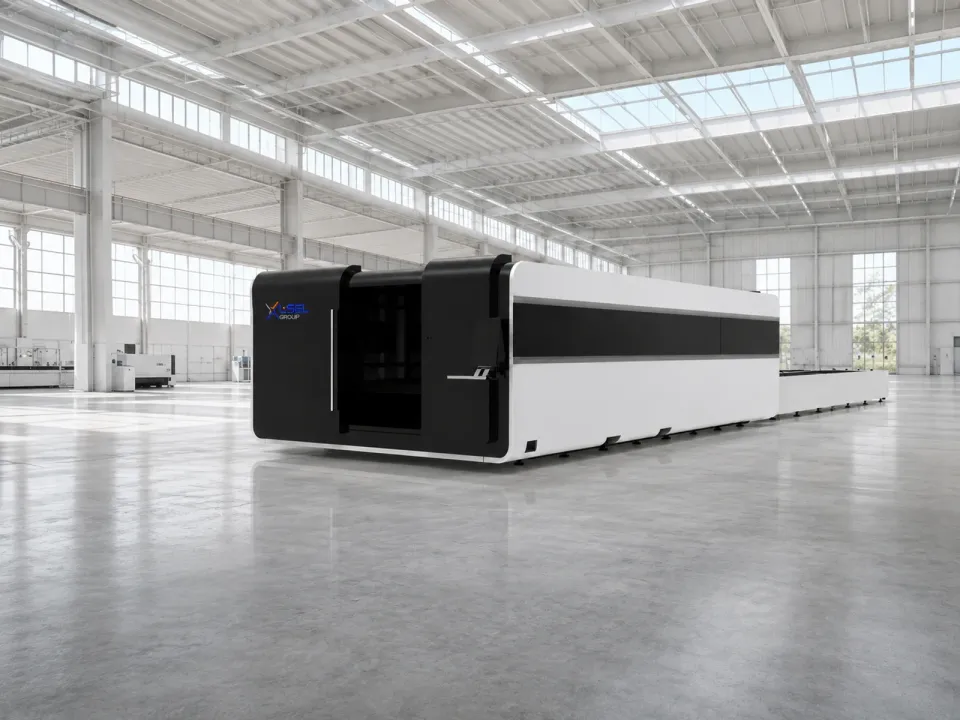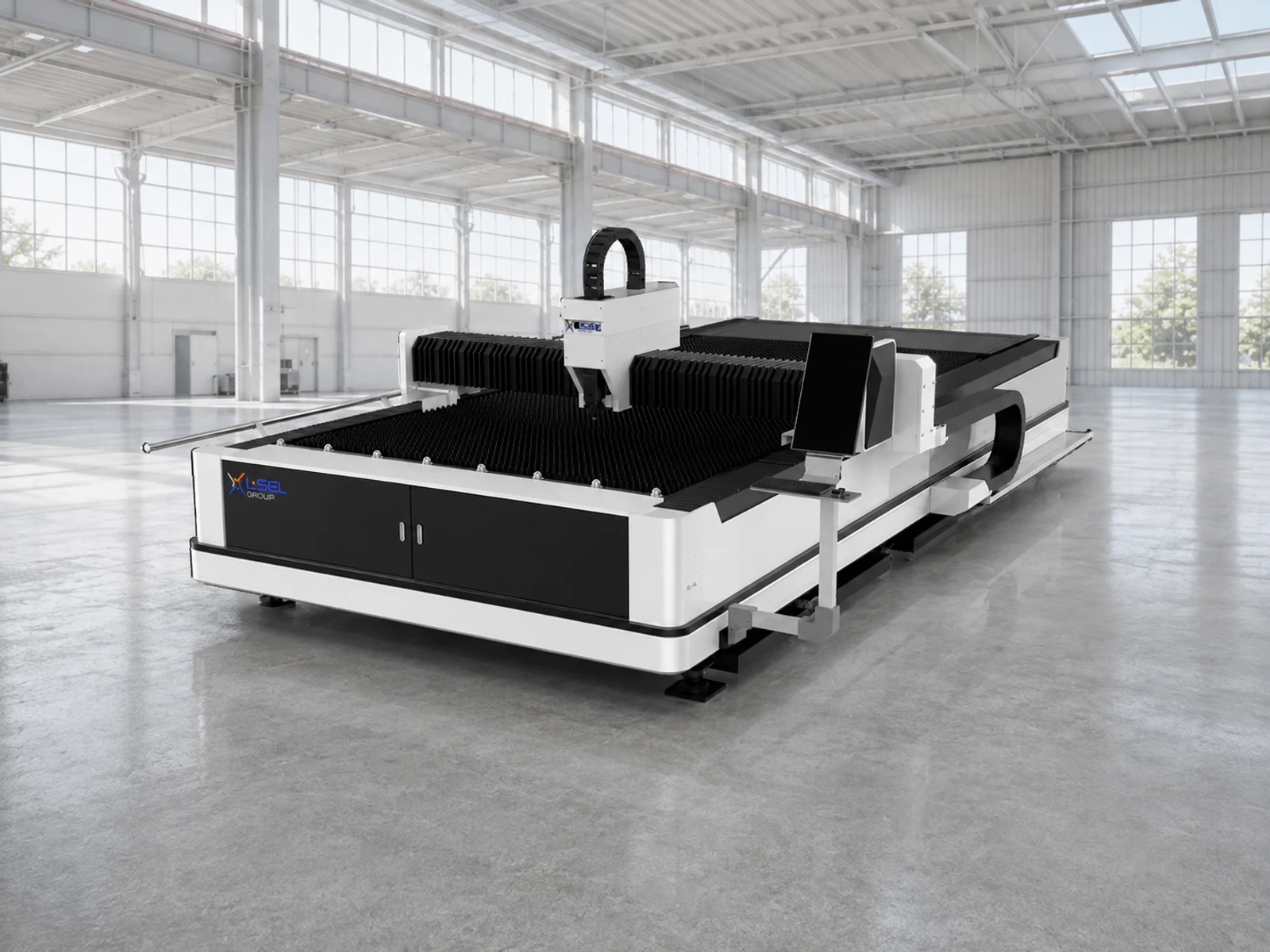
open single-table laser CV

Source power, kW
3 / 6
Formats, mm
3050 × 1530 / 4100 × 2050
Layout
Open bed

LF3015CV, LF4020CV

One open working platform, direct sheet access and a 3 or 6 kW source. The series combines convenient loading with dynamic cutting-head motion.

A single-table layout does not need space for a second exchange platform. Loading and unloading use the same working area, so their time is part of the overall cycle. Maximum values of 175 m/min and 2 g describe axis travel; actual cutting conditions depend on material, thickness, contour and assist gas.

Purpose and distinguishing features

Suitable applications

Sheet cutting for small and medium batches, enclosures, panels and a varied range of metal parts. The 3015 or 4020 format is selected for actual sheet dimensions. An open design improves access to the workpiece but requires a separately organised, protected laser-processing area.
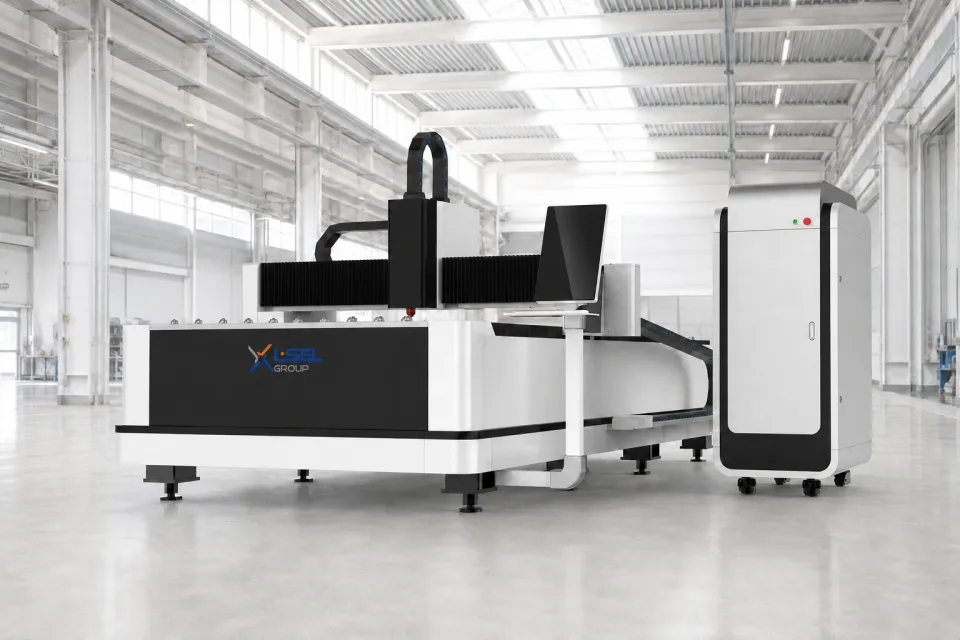
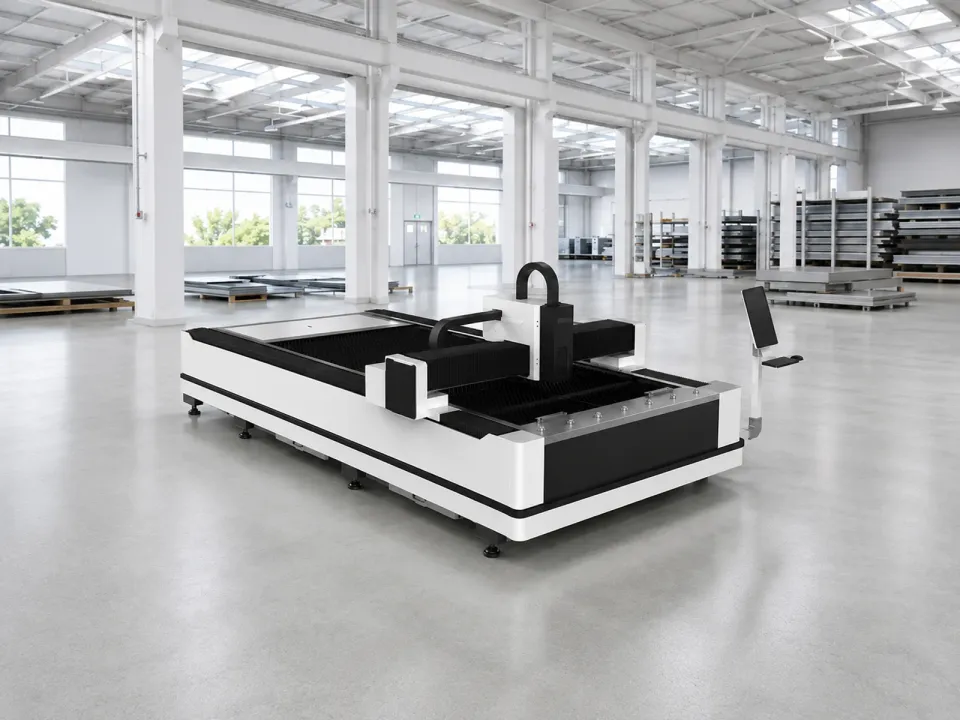
CV open single-table laser

CV retains a single open table while offering dynamic head movement. This suits work where direct loading matters more than platform exchange. Include part removal in the cycle assessment: faster moves between contours do not remove the sheet-preparation pause.

Technical specifications

CV open single-table laser
ModelWorking area, mmSource power, kWWorkpiece mass, kg
LF3015CV3050 × 15303 / 6900
LF4020CV4100 × 20503 / 61300
CV open single-table laser
Positioning accuracy, mm±0.03
Positioning repeatability, mm±0.02
Maximum travel speed, m/min175
Maximum acceleration, g2

Choosing a configuration

Compare CV with an exchange-table system on total output rather than price or power alone. If loading occupies much of the shift, suitable logistics or another table layout may help. An open machine requires risk assessment, controlled access, extraction and protection against laser radiation before operation.

Power, head, gases, cooling, extraction and safe workshop placement. Permitted workpiece mass is 900 kg for LF3015CV and 1300 kg for LF4020CV. Sheet loading and part removal are agreed around available lifting equipment and the frequency of material changes.

Discuss configuration

Send a drawing or photograph of the part, material, thickness, blank size and required output. This lets us compare configurations against your job, not just their power rating.

Tell us what you would like to clarify. Add drawings, photos or the required configuration reference to your request if available.

Discuss configuration